 Save to Pinterest
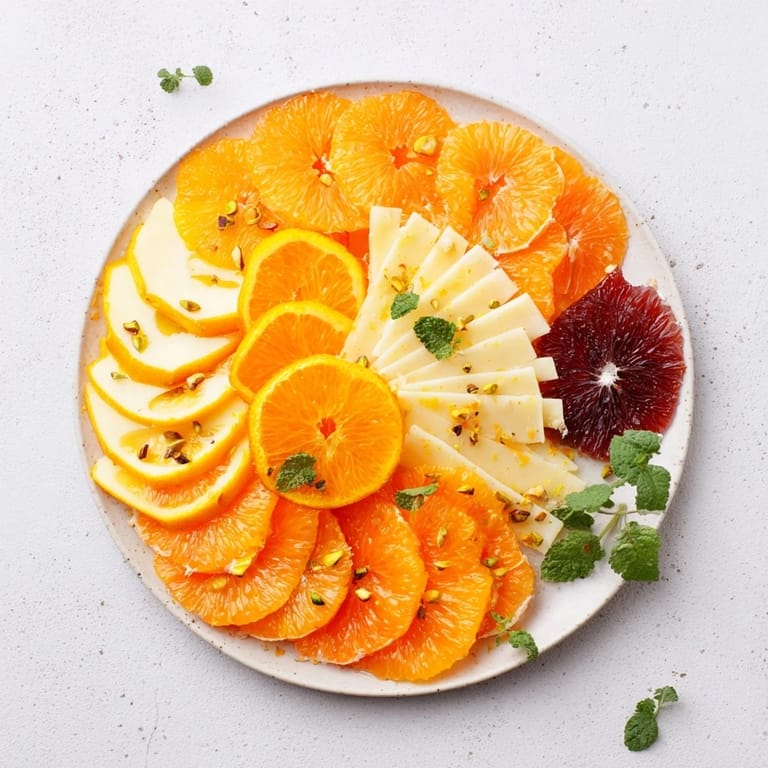
 My sister called me in a panic the night before her dinner party, asking if I could help her create something that looked like it belonged in a design magazine. I'd been scrolling through food styling accounts when the idea struck: what if we turned a clock face into an edible centerpiece? The moment I hung up, I started pulling citrus from our fruit bowl, arranging them in a circle on my kitchen counter just to see if it could work. It absolutely could, and better yet, it took barely twenty minutes to pull together. That platter became the thing her guests photographed most that evening.
I remember standing in my friend's kitchen two hours before her themed evening, watching her stress about whether the setup would feel cohesive. When we unveiled this citrus clock at the center of her table, something shifted—suddenly all the other details clicked into place. It became the visual anchor everyone gathered around, and I watched people gravitating back to it throughout the night, drawn by the honeyed sweetness and the sheer cleverness of the concept. That's when I realized a truly memorable appetizer isn't just about flavor; it's about the moment it creates.
Ingredients
- Large orange: The workhorse of your clock face; its bright, warm tone anchors the whole arrangement and provides familiar citrus sweetness.
- Blood orange: The moody, jewel-toned slices add visual drama and a slightly deeper, wine-like note that catches light beautifully.
- Grapefruit: Its pale pink or yellow tones create contrast and bring a gentle tartness that keeps things from feeling one-note.
- Clementines: Small, almost translucent slices scatter among the larger fruits and make the design feel more dynamic.
- Lemon: Thin slices at certain hours add a bright pop of pale yellow and a sharp visual accent.
- Lime: Its tiny, vibrant rounds fill gaps and add personality to the clock's design.
- Firm goat cheese or manchego: This is your clock hand base—firm enough to cut into elegant strips without crumbling, with a subtle tang that doesn't overpower the citrus.
- Aged cheddar or gouda: Its deeper color and richer flavor create beautiful contrast and pair gorgeously with the honey drizzle.
- Honey: A touch at the center brings warmth, slight sweetness, and visual shine that draws the eye to your clock hands.
- Chopped pistachios or walnuts: These add texture, earthiness, and a subtle crunch that surprises and delights.
- Fresh mint leaves: Just a few scattered leaves breathe life into the platter and add an unexpected fragrant element.
- Crackers or crusty bread: Let guests build their own bites; the bread becomes the canvas for everything else.
Tired of Takeout? 🥡
Get 10 meals you can make faster than delivery arrives. Seriously.
One email. No spam. Unsubscribe anytime.
Instructions
- Prep your citrus with intention:
- Slice each fruit into thin, even rounds—you're aiming for thin enough to see light through them, thick enough they don't fall apart. Remove any seeds you spot; they're small annoyances that derail the elegance of the final platter. A sharp knife and a steady hand matter here, but so does patience; rushing this step is where most people stumble.
- Map out your clock face:
- Lay a large round platter on your work surface and visualize the twelve hours. Start placing your most vibrant slices at twelve, then work your way around, alternating colors as you go—the goal is visual rhythm, not perfection. Think of it like an artist building a palette across a canvas rather than a military operation.
- Fashion your clock hands:
- Cut both cheeses into long, narrow strips, then arrange two of them at the center of your platter so they point toward a specific time. This small gesture transforms the whole thing from a pretty platter into something intentional and playful.
- Finish with shine and contrast:
- Drizzle honey over the cheese at the center—it catches light and becomes the focal point. Scatter your nuts or walnuts across that honey center for texture, then tuck mint leaves into gaps for color and aroma. This last step is where the platter goes from nice to unforgettable.
- Serve with intention:
- Set this out with crackers and bread nearby, but give it a moment to breathe on its own first. Let people absorb what you've created before they start eating it; sometimes the beauty matters as much as the flavor.
 Save to Pinterest
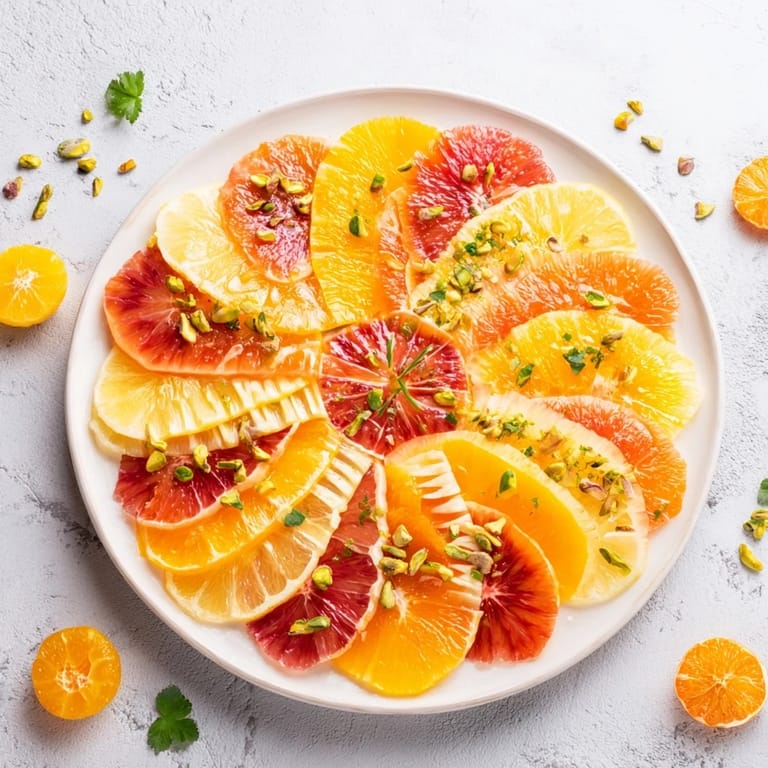
 There's something quietly magical about watching a room full of adults pause to photograph their food. With this platter, that moment arrives without fail—it's the visual surprise that makes people slow down, and then the combination of creamy cheese, bright citrus, and that honeyed sweetness brings genuine pleasure. It reminded me that entertaining isn't always about complicated techniques; sometimes it's about showing up with something thoughtful and a little bit playful.
The Hidden Pleasure of Cheese and Citrus
The partnership between cheese and citrus is one of those culinary secrets that deserves more attention. The acidity of the fruit cuts through the richness of the cheese in a way that feels refreshing rather than heavy, and the temperature contrast—cool cheese against cool citrus—creates a sensation that just works. Once you understand this pairing, you'll start seeing it everywhere, from cheese boards to restaurant appetizers.
Making This Your Own
This is where your creativity gets to shine, because the structure is so forgiving. If you want to lean into blue cheese or brie, the sweeter citrus fruits will balance that boldness beautifully. Adding thin slices of prosciutto or other cured meats turns this into something richer and less vegetarian. Edible flowers scattered across the slices add another layer of visual magic and a delicate flavor that guests won't quite be able to name. The framework is solid; everything else is conversation.
Timing and Setup
The genius of this appetizer is that it requires zero cooking, which means you can focus entirely on presentation and peace of mind. You can prep all the citrus slices an hour ahead if needed, layering them between paper towels and storing them in the fridge. The cheese strips can be cut ahead too. Assembly itself takes maybe five minutes once everything is prepped, so you're never stressed when your guests arrive.
- Slice everything while you're in a calm, focused state—rushed hands make for uneven slices that catch light differently and disrupt the visual flow.
- If any slice feels too thin or cracked, set it aside; imperfections read as careless rather than charming when they're on display.
- The honey drizzle and final garnishes go on last, just before serving, so they stay dewy and fresh rather than looking tired or oxidized.
 Save to Pinterest
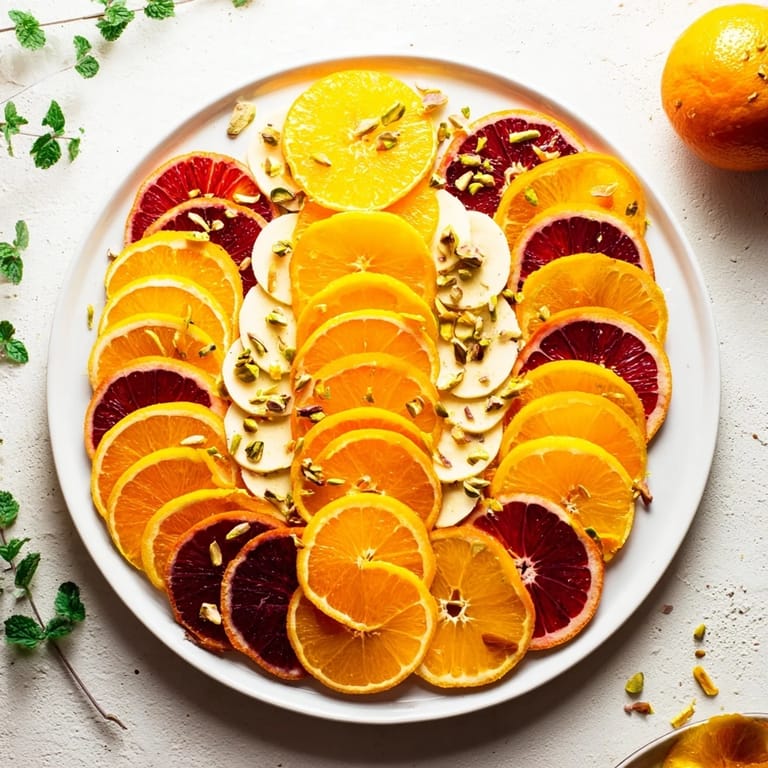
 Entertaining is really just about giving your guests a moment of delight, and a platter that looks like this delivers that instantly. The memory isn't about perfection; it's about the pause, the photograph, the little smile of pleasure before the first bite.
Recipe Questions & Answers
- → What types of citrus work best for this platter?
Use a mix of oranges, blood oranges, grapefruit, clementines, lemon, and lime for vibrant colors and balanced flavors.
- → Which cheeses complement the citrus slices?
Firm goat cheese, manchego, aged cheddar, or gouda provide a creamy contrast that pairs well with the fresh citrus.
- → How can I customize the platter for added flair?
Try adding thin slices of cured meats, edible flowers, or different cheese varieties like blue cheese or brie.
- → What garnishes enhance this platter's flavor and presentation?
Drizzle honey and sprinkle chopped pistachios or walnuts. Fresh mint leaves add color and aroma.
- → Are there pairing suggestions for beverages?
This platter pairs nicely with crisp Prosecco or dry white wine to complement the citrus and cheese flavors.