 Save to Pinterest
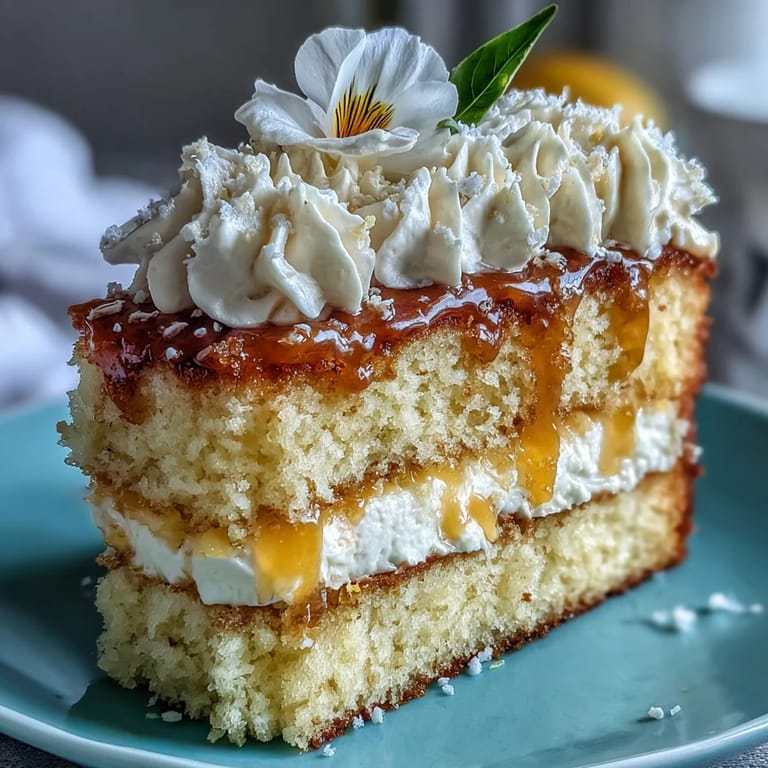
 The first batch of lemon curd I ever made was a symphony of fragrant citrus and gentle panic, whisking over the stove as the kitchen filled with sun-bright aromas. My mother hovered nearby, eyeing my bowl of eggs and sugar with the skepticism that only comes from a lifetime of cakes. When I finally layered this tangy gold between pillowy sponge and crowned it with edible flowers, it was more than just dessert—it was a little act of celebration. The delight was as much in the laughter as in the taste. This cake has become a centerpiece for Mother's Day, but any sunny afternoon will do.
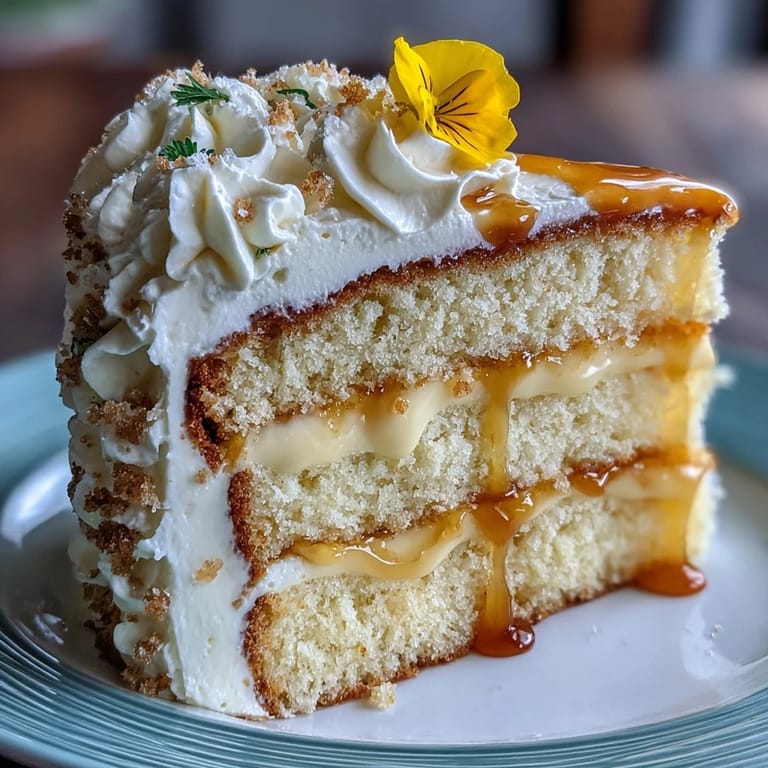
Last spring, when my sister and I baked this for our mother, we took turns zesting lemons and debating which flowers were prettiest. The kitchen was a cheerful mess, and somehow there was powdered sugar on the cat. We debated using berries between the layers but stuck to the floral plan, pressing pansies carefully across the top. Our mother lit up at the sight, proclaiming it 'almost too pretty to eat.' But she managed, happily.
Ingredients
- All-purpose flour: Gives the cake a tender yet sturdy base—sifting helps avoid any lumps.
- Baking powder & baking soda: These leavening agents make sure your cake rises evenly—double check they’re fresh.
- Salt: Just enough to balance the sweetness and make the lemon shine.
- Unsalted butter: Softened for easy creaming; it’s the backbone for fluffy texture.
- Granulated sugar: Sweetens both cake and curd, and helps creams whip tall.
- Large eggs: Room temperature eggs help emulsify the batter for an even crumb.
- Lemon zest & juice: The most important flavor—zest first, juice after, and use fresh for zing.
- Vanilla extract: Tucks a floral warmth behind the main lemon act.
- Whole milk: Let it come to room temp so the batter stays smooth—not curdled.
- Powdered sugar: For cloud-soft whipped cream frosting that holds up to layering.
- Heavy cream: Cold and whisked just until stiff for the fluffiest finish.
- Edible flowers: Not just for pretty—some add surprising flavor; always double check the source.
Tired of Takeout? 🥡
Get 10 meals you can make faster than delivery arrives. Seriously.
One email. No spam. Unsubscribe anytime.
Instructions
- Set the scene:
- Preheat your oven to 350°F 175°C and line three 8-inch cake pans with parchment—the anticipation starts here.
- Mix the dry team:
- Whisk together flour, baking powder, baking soda, and salt in a bowl, hearing the soft hush as ingredients combine.
- Cream & build batter:
- In a large bowl, beat the butter and sugar until pale and fluffy, then add eggs one by one, followed by a cascade of zest, juice, and vanilla.
- Combine & alternate:
- Add the flour mix in thirds, alternating with milk—gently folding so the batter stays light and airy.
- Bake the layers:
- Divide among pans, smoothing the tops, and bake 25–28 minutes until a toothpick comes out clean and the kitchen smells like sweet sunshine.
- Cool off:
- Let cakes rest 10 minutes before turning out onto racks; try to resist poking them—they’re delicate now.
- Make lemon curd:
- Whisk eggs, sugar, zest, and juice in a saucepan, gently cooking and stirring as the magic thickens, then finish with cold butter for silkiness.
- Whip the cream:
- Beat cold cream, powdered sugar, and vanilla until stiff peaks form—cloud-soft and ready for swirls.
- Assemble your masterpiece:
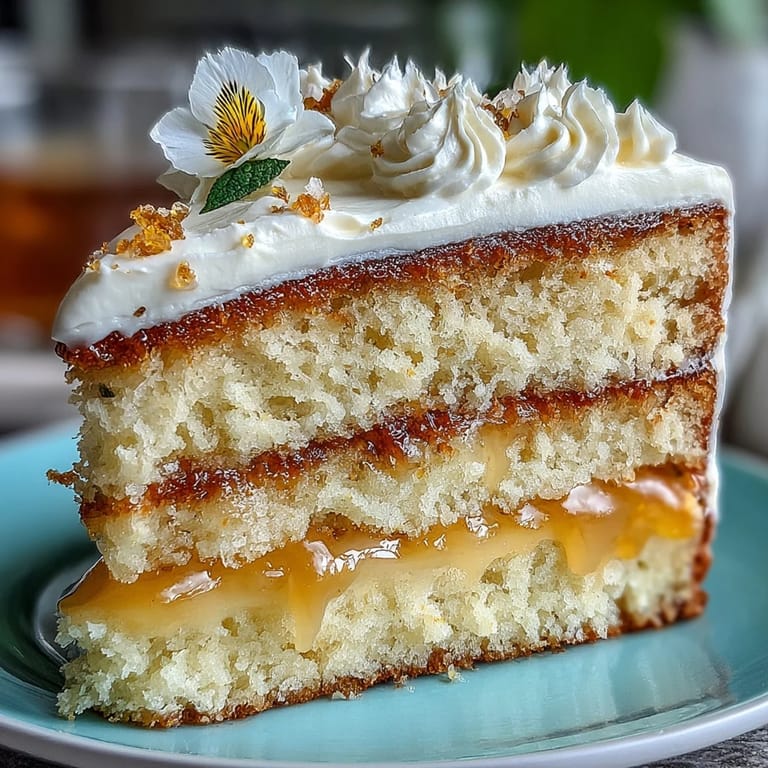
- Layer cake, then whipped cream, then lemon curd—twice—crowning with the final cake layer and plenty of cream all over.
- Finish with flowers:
- Right before serving, decorate with your prettiest edible blooms, tucking them into the whipped cream like little confetti.
 Save to Pinterest
 When my niece timidly placed a tiny violet on the finished cake, the whole table paused to admire her work—it became a centerpiece, not just a dessert. That cake tasted even sweeter, carrying laughter and a hint of spring in every forkful.
Choosing and Preparing Edible Flowers
I learned the hard way that not all flowers are safe to eat—or even tasty. Stick with food-grade blooms and give them a careful rinse before using, patting them dry on a clean towel so their colors pop against the whipped cream.
Making Lemon Curd Without Fear
The trickiest part is patience: don’t rush the curd. My first attempt set into a stubborn lump, but low heat and persistent whisking are your allies.
Layering Like a Pro
Don’t stress if your cake layers aren’t bakery-perfect—once the whipped cream and lemon curd go on, any wonky edges vanish. Chilling the cakes before assembly stops crumbs in their tracks, and a palette knife is your secret weapon for smooth sides.
- Keep napkins handy for sticky fingers during assembly.
- Use a cake turntable if you have one—it feels fancy and helps with frosting.
- Store leftovers covered in the fridge to keep everything light and fresh.
 Save to Pinterest
 Even if the kitchen ends up a chaos of petals and lemon zest, don’t worry—sharing a slice of this cake is pure joy. Here’s to making every celebration a little brighter and a lot more delicious.
Recipe Questions & Answers
- → How do I achieve smooth, lump-free lemon curd?
Whisk eggs, sugar, zest and juice constantly over medium heat until the mixture thickens and coats the back of a spoon. Strain through a fine sieve to remove any bits of zest or coagulated egg, then stir in butter off the heat and chill with plastic wrap touching the surface to prevent a skin.
- → How can I keep the cake layers moist?
Avoid overmixing and overbaking. Pull the cakes when a toothpick comes out clean and allow them to cool in the pan briefly before turning out. If desired, brush layers lightly with simple syrup or leftover lemon juice diluted with a little sugar to add moisture.
- → When should I add the edible flowers?
Place edible flowers on the cake just before serving to preserve their color and freshness. Ensure flowers are food-grade and pesticide-free; pat dry and trim stems so they sit neatly on the frosted surface.
- → Can I make parts ahead of time?
Yes. Bake the sponge layers and make the lemon curd a day ahead; store both chilled and covered. Whip the cream and assemble on the day of serving for best texture, or whip just before frosting if serving immediately.
- → How should leftovers be stored?
Keep assembled cake refrigerated, covered loosely to protect decorations. Store for 2–3 days; note that whipped cream may soften over time—refrigerate between servings and consume within a few days.
- → Any suggested variations or substitutions?
Fold fresh berries into layers for brightness or substitute coconut cream whipped to stiff peaks for a dairy-free frosting. For a thinner curd, reduce cooking time slightly, or thicken with a touch of cornstarch for a firmer spread.