 Save to Pinterest
 I'll never forget the spring afternoon when my sister arrived at my door with that stunning magazine clipping of a watercolor-inspired charcuterie board. She'd been dreaming of hosting an elegant brunch, and together we spent hours researching how to transform simple ingredients into edible art. That's when I discovered the magic of the Pink Petal Watercolor Wash—a platter that looks like it took hours to perfect but whispers its secrets to anyone willing to listen. The first time we assembled one, our guests gasped. Not just because it was beautiful, but because every flavor told a story of thoughtful arrangement and culinary intention.
I remember hosting my book club the spring after I learned this technique, and instead of my usual nervous energy about appetizers, I felt genuinely excited. One member—the one who always seemed impossible to impress—took a photo of the platter before eating anything. Later, she texted asking if I could teach her. That's when I knew this wasn't just about assembling ingredients; it was about creating moments where people felt celebrated.
Ingredients
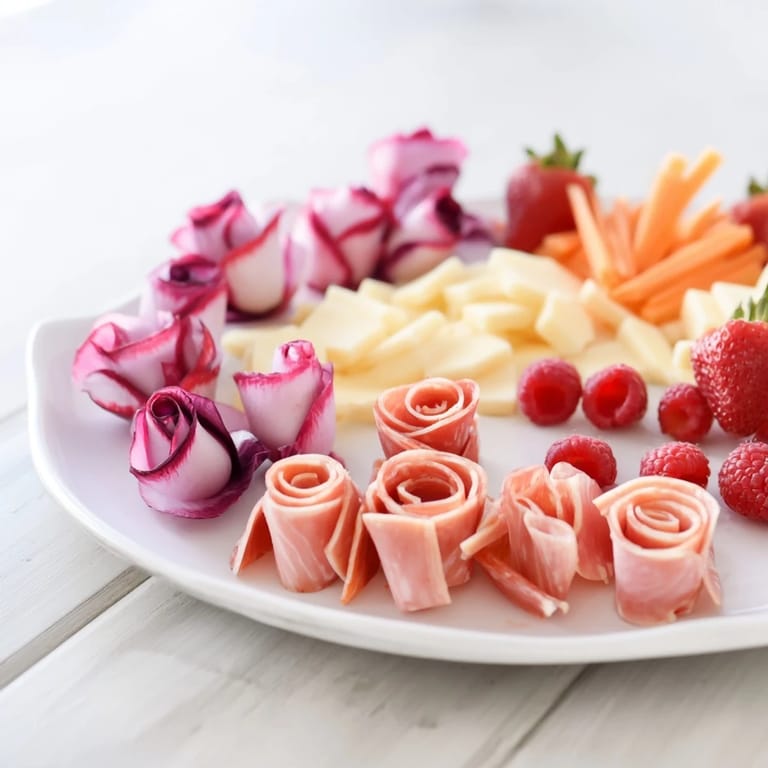
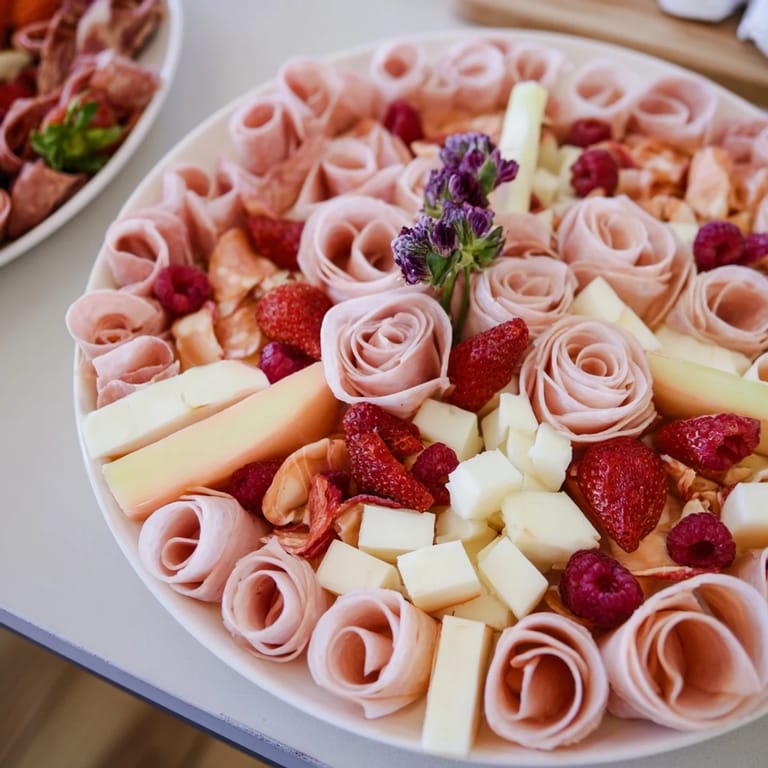
- Prosciutto (100g, thinly sliced): Roll each slice loosely to create delicate rose shapes—they're the dark pink stars of your composition and so much more impressive than scattered slices
- Mortadella (100g, thin slices): Its pale pink color bridges the gap between the deeper prosciutto and lighter cheese, creating that watercolor gradient you're after
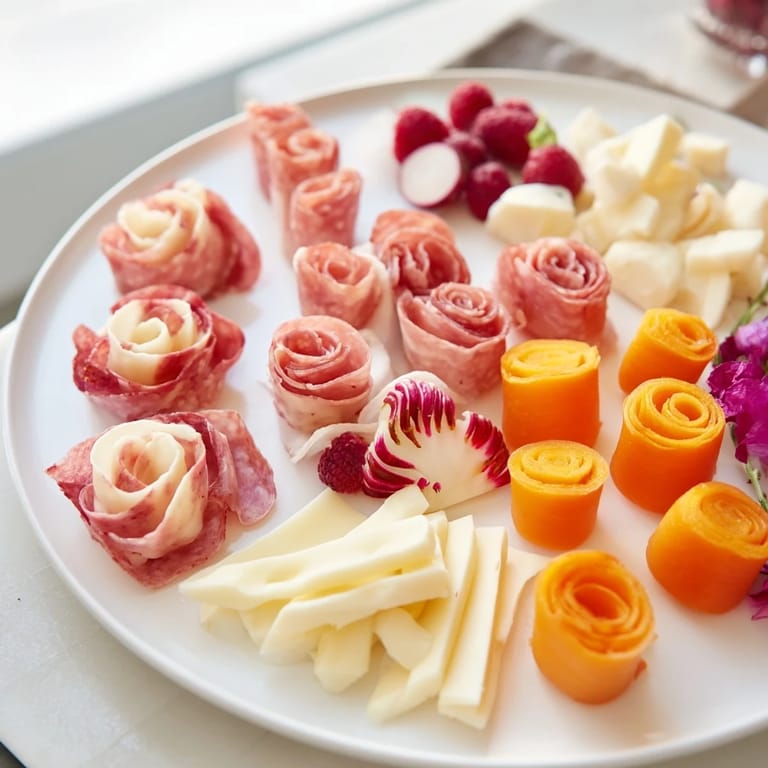
- Pink Radishes (6–8 small, thinly sliced): These are your white-pink whispers; a mandoline slicer transforms them into almost translucent layers that catch the light
- Watermelon Radish (1, thinly sliced): The surprise of its interior pink and white stripes gives depth that solid colors simply can't achieve
- Cooked Beet (1 small, thinly sliced): Adds the darkest pink notes—cook it yourself the day before for the freshest, most vibrant color
- Pink-Hued Cheese (100g, such as port wine Derby or rosé goat cheese): This is where you get to be playful; the cheese is your hero color, so choose one that makes you happy
- Brie or Camembert (100g, cut into wedges): The neutral creamy component that lets other flavors shine and sits beautifully against the pinker elements
- Baguette (1 small, sliced): Toast lightly if you like, but the untoasted version absorbs flavors more gently and looks softer on the platter
- Rice Crackers (1 package): A lighter, less assertive vehicle for the delicate ingredients than wheat crackers
- Fresh Strawberries (1 cup, halved): These are your bridge between sweet and savory; their natural shine draws the eye and your guests' appetite
- Raspberries (1 cup): Fragile little jewels that add texture and a subtle tartness that wakes up tired palates
- Edible Rose Petals or Microgreens (optional): The final flourish that whispers luxury—only if your budget and access allow it, because honestly, the arrangement itself is already stunning
Tired of Takeout? 🥡
Get 10 meals you can make faster than delivery arrives. Seriously.
One email. No spam. Unsubscribe anytime.
Instructions
- Set Your Canvas:
- Choose your largest platter or wooden board—this is important, not for practical reasons but psychological ones. A surface that feels generous gives you permission to leave breathing room between ingredients, which is where the real beauty lives. Step back and imagine where light will hit, where colors will naturally gather.
- Create Your Rose Moments:
- Take a slice of prosciutto and roll it loosely between your fingers, starting at one corner. It doesn't need to be perfect; slight imperfections make it look more organic. Cluster these roses in small groups of three or four—they look lonelier as soloists. Place them first; they're your anchors.
- Build Flowing Layers:
- Loosely fold the mortadella slices and nestle them beside the prosciutto. Let them overlap slightly, as if they're having a conversation. This is where you're beginning to see the watercolor effect—notice how the colors are already starting to blend visually just from proximity.
- Paint With Vegetables:
- Now arrange your radish and beet slices in slightly fanned, overlapping patterns. Imagine you're actually painting with a brush; let some slices lie on top of others, creating depth. The watermelon radish's interior stripe is your secret weapon—use these slices as focal points where your eye naturally travels.
- Scatter Your Cheese Jewels:
- Cut the pink cheese into small triangles or leave it in slices, then place clusters around the board, letting negative space between them matter as much as the cheese itself. The brie or camembert wedges go in the gaps, almost like you're solving a beautiful puzzle where there's no single right answer.
- Add Structure and Sweetness:
- Arrange your bread and crackers in a gentle curve along one edge, or tuck them into spaces where they'll look intentional rather than accidental. Then scatter strawberry halves and raspberries in small clusters—they're your sweetness, your relief, your gift to anyone whose palate needs a moment of berry-bright joy.
- The Final Touch:
- If using edible rose petals or microgreens, scatter them strategically—a few petals near the roses for poetry, microgreens nestled among the vegetables for a hint of garden-fresh growth. Then step back. Look. Let yourself feel proud of what your hands created.
- Serve with Intention:
- Bring it to the table while the cheeses are still cool, the berries still dewy. Resist the urge to explain it. Let people discover why it's beautiful by watching them navigate its colors and flavors.
 Save to Pinterest
 The real turning point came when my grandmother—who'd always been skeptical of my culinary adventures—sat down at a table graced with this platter and actually lingered. She didn't rush through it; she noticed things. She commented on how the colors made her think of gardens, of spring mornings, of something beautiful that wasn't trying too hard. In that moment, I understood that food arranged with intention becomes a conversation, not just fuel.
The Art of Arrangement
Think of your platter as a painting that people will eat. The best arrangements balance precision with spontaneity—you're not creating rigid rows but rather conversational clusters where colors speak to each other. Leave generous gaps of visible board showing through; these negative spaces are as important as the food itself. They give your eye permission to rest and make each ingredient feel more precious, not less. The watercolor effect comes not from cramming more in, but from thoughtful color gradation and the way light plays across surfaces. Stand above your platter periodically, looking down as if you're a gallery visitor, not the artist. This perspective shift helps you catch imbalances before they matter.
Wine and Pairing Wisdom
Rosé wine was born to accompany this platter—it's the obvious choice, but it's obvious for a reason. The wine's delicate acidity cuts through the salty prosciutto, complements the earthy beet, and doesn't overpower the cheese. If your guests prefer white wine, a crisp Sauvignon Blanc works beautifully. For those who drink red, a light Pinot Noir won't compete. The real secret isn't which wine you choose, but serving it chilled and letting people see the connection between what's in their glass and what's on their plate. That's when casual appetizers become an experience.
Making It Your Own
This platter is endlessly customizable, which is both its freedom and its slight challenge. For a vegetarian version, double down on the cheese variety and add pickled vegetables—they add tartness where the prosciutto once added salt. Pink peppercorns work magic for a subtle spice note. Thinly shaved fennel adds anise notes that pair with the cheese in unexpected ways. Fresh herbs like dill or tarragon tucked between ingredients add sophistication without overwhelming the visual composition. The beauty is that once you understand the principles—color harmony, texture contrast, intentional spacing—you can make this recipe entirely your own.
- Consider adding a small bowl of spreadable cheese or honey on the side for those who want an additional dimension
- Prepare everything except final arrangement up to four hours ahead, then compose your platter just before guests arrive
- If you're nervous about the arrangement, lay items out on parchment paper first, then transfer—this gives you a practice run with zero pressure
 Save to Pinterest
 Every time I make this platter, I'm reminded that sometimes the most memorable meals aren't complicated; they're just thoughtful. They ask us to slow down, to really see our ingredients, and to believe that beauty matters as much as taste. That belief, I think, is what your guests will actually taste.
Recipe Questions & Answers
- → How do I shape prosciutto for the platter?
Thinly slice the prosciutto and shape each slice into small rose-like forms by gently rolling or folding them, giving an elegant appearance.
- → Can I make this platter vegetarian?
Yes, simply omit the meats and increase the variety and quantity of cheeses and vegetables to maintain balance and flavor.
- → What cheeses work best for the pink hues?
Cheeses such as port wine Derby, rosé goat cheese, or berry-washed rind cheeses provide pink tones, paired well with creamy brie or camembert wedges.
- → How can I mimic the watercolor effect with ingredients?
Arrange thinly sliced radishes, watermelon radish, and cooked beet in slightly overlapped, fanned layers to create a gentle blending of colors on the platter.
- → What are good accompaniments to serve with this platter?
Include baguette slices or gluten-free crackers arranged in gentle curves, fresh strawberries and raspberries for sweetness, and optional edible rose petals or microgreens for garnish.
- → Any tips for preparing the vegetables?
Use a sharp knife or mandoline slicer to achieve thin, even slices for delicate layering and optimal presentation.