 Save to Pinterest
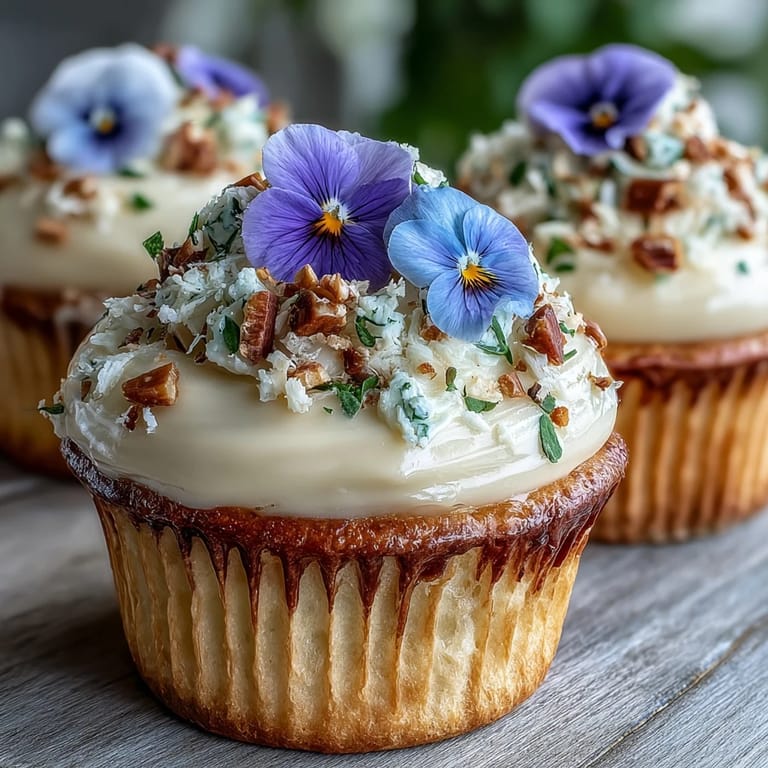
 My cousin texted me a photo of her nursery one afternoon—soft pastels everywhere, a mobile of paper butterflies spinning above the crib. She asked if I could bring something beautiful to her baby shower, something that felt like spring but tasted like comfort. That's when these cupcakes came to life in my kitchen, vanilla sponge so tender it practically melts, crowned with clouds of buttercream and crowned with actual edible flowers that look almost too pretty to eat. Watching guests light up when they saw them, I realized the magic wasn't just in the taste—it was in how a simple cupcake could feel like a celebration of new beginnings.
I made these for my friend Sarah's baby shower last April, and honestly, the highlight wasn't the games or the gifts—it was watching her mother carefully select a violet to place on her cupcake, as if she were planting something precious in soil. That small moment of tenderness, that care over something so simple, reminded me why baking for celebrations matters so much more than we typically give it credit for.
Ingredients
- All-purpose flour: The foundation of your cupcakes; sifting it together with the baking powder and salt ensures no lumps that could throw off the delicate crumb.
- Granulated sugar: Works with the butter to create that airy, light texture that makes these cupcakes feel almost cloud-like on the tongue.
- Unsalted butter, softened: Room temperature is non-negotiable here; cold butter won't cream properly and you'll lose that fluffy lift you're after.
- Large eggs, room temperature: They blend into the batter seamlessly when warm, creating a silky emulsion rather than visible streaks.
- Whole milk, room temperature: The alternating method with flour keeps the batter from becoming tough, and room temperature milk prevents the cold-shock that can seize your wet ingredients.
- Vanilla extract: A full teaspoon gives you enough flavor to taste it without overwhelming the delicate profile of the cake.
- Baking powder: Just enough lift to make them tender without making them cake-like in an obvious way.
- Salt: That tiny pinch heightens every flavor note, even if you can't quite identify why it tastes so good.
- Unsalted butter for buttercream: Softened and creamy, this becomes the base for frosting that's pillowy and spreadable, not greasy or broken.
- Powdered sugar, sifted: Sifting removes lumps that would create a grainy buttercream; don't skip this step.
- Whole milk for buttercream: Just enough to loosen the frosting to the perfect consistency without making it weepy or too soft.
- Vanilla extract for buttercream: Echoes the cupcake flavor and adds warmth to the sweetness.
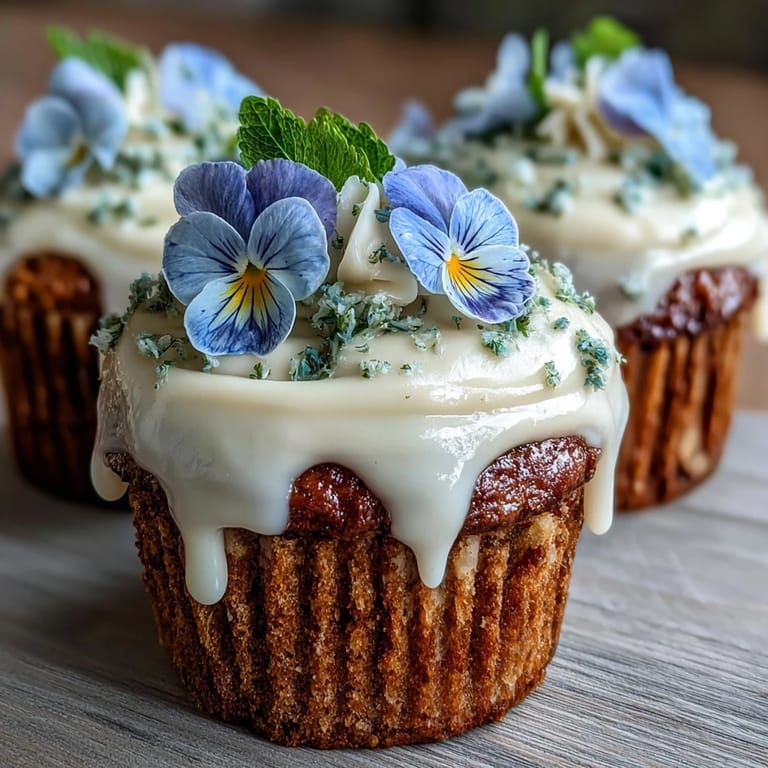
- Edible flowers: Organically grown violets, pansies, nasturtiums, or marigold petals transform these from pretty to absolutely show-stopping; make sure they're labeled food-safe and gently washed and dried before use.
- Pastel-colored sprinkles, optional: A whisper of color if you want to enhance the spring celebration feel, though the flowers are honestly gorgeous enough on their own.
Tired of Takeout? 🥡
Get 10 meals you can make faster than delivery arrives. Seriously.
One email. No spam. Unsubscribe anytime.
Instructions
- Heat your oven and prepare:
- Set your oven to 350°F and line your muffin tin with paper liners; this small prep work means you won't be rushing while the batter waits. Everything ready goes faster and smoother.
- Whisk your dry ingredients:
- In a medium bowl, whisk together flour, baking powder, and salt, breaking up any tiny clumps in the flour as you go. This distributes the leavening evenly so every cupcake rises the same way.
- Cream butter and sugar:
- In a large bowl, beat softened butter with sugar for 2 to 3 minutes until the mixture is pale, fluffy, and noticeably lighter in color. You should be able to see air pockets in it; that's exactly what you want.
- Add eggs one at a time:
- Beat each egg in separately and fully, letting each one disappear into the mixture before adding the next. This prevents the batter from looking curdled or broken.
- Mix in vanilla:
- Add vanilla extract after all the eggs are incorporated, beating briefly to combine. The flavor gets woven through the entire mixture this way.
- Alternate flour and milk:
- Add the flour mixture in three parts, alternating with the milk and always starting and ending with flour; this keeps the batter from becoming tough from overmixing. Stir just until combined each time—lumps are okay.
- Fill your muffin cups:
- Divide the batter evenly among the 12 liners, filling each about 2/3 full to allow room for rise without spilling over. I use a small ice cream scoop to keep portions even.
- Bake until golden:
- Bake for 16 to 18 minutes, checking with a toothpick inserted into the center—it should come out clean or with just a few moist crumbs. The tops should be pale golden and spring back lightly when touched.
- Cool properly:
- Let cupcakes rest in the pan for 5 minutes, then turn them out onto a wire rack to cool completely; this prevents them from steaming and becoming gummy on top. Patience here is everything.
- Make the buttercream:
- Beat softened butter until creamy and pale, then gradually add sifted powdered sugar along with milk, vanilla, and a pinch of salt. Beat for about 3 minutes until it's smooth, fluffy, and light enough to pipe or spread.
- Frost when completely cool:
- Once cupcakes are at room temperature, pipe or spread buttercream generously on top of each one, creating swirls or smooth peaks depending on your mood. Work quickly but gently so you don't accidentally tear the delicate cake.
- Add your edible flowers:
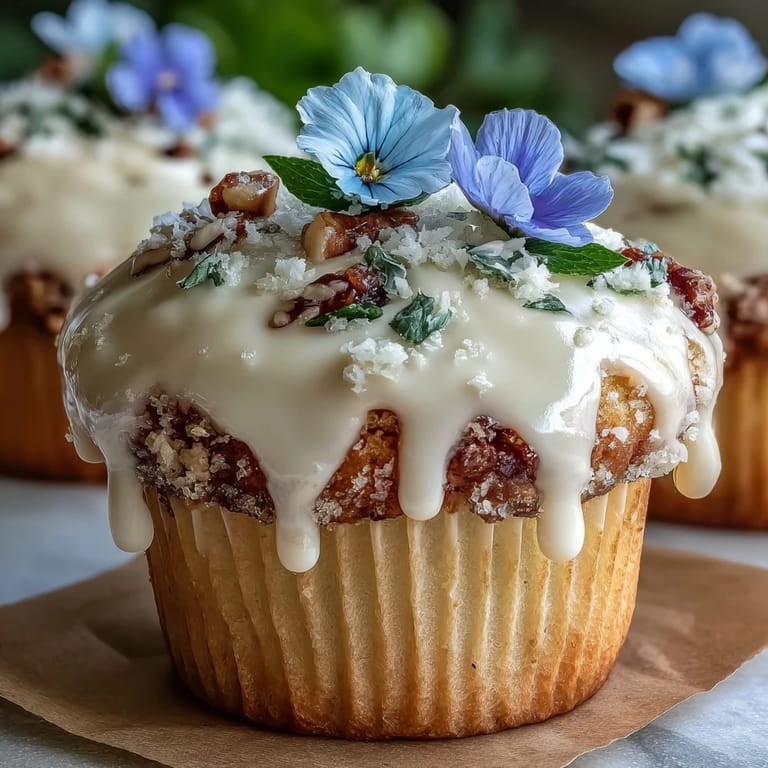
- Place flowers on top of each frosted cupcake just before serving, arranging them as carefully as if you were planting a tiny garden. They look most vibrant and fresh when added close to serving time.
 Save to Pinterest
 My neighbor's little girl, who was turning one, grabbed a cupcake off the dessert table and somehow got flower petals all over her face and dress. Her mother started to panic, but then she just laughed—that kind of uninhibited, joyful laugh that only happens at celebrations with people you love. That cupcake, covered in violets and buttercream, became the moment that defined that entire party for me.
Why Edible Flowers Make All the Difference
There's something about a real flower on a cupcake that makes it feel like a gift rather than just dessert. The first time I saw someone choose between a violet and a pansy before taking a bite, I understood that it was giving them permission to pause, to notice something beautiful before eating it. That moment of choice, that small act of intention, transforms a cupcake into an experience.
Timing Your Celebration Right
These cupcakes are perfect for spring showers, gender reveal parties, first birthdays, or any moment when you want dessert to feel thoughtful. The vanilla is neutral enough that kids and adults both enjoy them, and the flowers signal celebration without being overwhelming. I've made them for April baby showers when real flowers were just starting to bloom outside, and the connection between what was happening in nature and what was on the dessert table felt perfect.
Storage and Make-Ahead Magic
You can bake and cool the cupcakes a full day ahead, storing them in an airtight container at room temperature, then frost them the morning of your event. The buttercream stays creamy and spreadable for hours once applied, though I recommend adding the flowers no more than an hour before guests arrive so they look fresh and vibrant. If you need to refrigerate frosted cupcakes, let them sit at room temperature for 15 minutes before serving so the buttercream softens slightly.
- Unfrosted cupcakes wrapped well in plastic wrap keep beautifully in the freezer for up to three months, so you can make them weeks ahead.
- If flowers get slightly wilted before serving, gently mist them with a tiny bit of water and they'll perk right back up.
- Leftover buttercream can be refrigerated for up to a week and softened for another batch of cupcakes anytime.
 Save to Pinterest
 Baking these cupcakes for someone you care about is a way of saying their celebration matters, that you wanted to create something beautiful just for them. They're simple enough that you can focus on the joy of sharing rather than stressing over technique.
Recipe Questions & Answers
- → What type of flour is best for these cupcakes?
All-purpose flour provides the right texture and structure for a tender yet sturdy cupcake crumb.
- → Can I substitute the whole milk used in the batter?
Yes, you can use alternatives like almond or oat milk, but it may slightly alter the texture and flavor.
- → How do I prepare the edible flowers for decoration?
Use only organically grown, food-safe edible flowers. Gently wash and thoroughly dry them before placing on the frosting.
- → What is the best way to pipe the buttercream topping?
Using a piping bag fitted with a round or star tip creates a neat, attractive swirl on each cupcake.
- → How should leftovers be stored?
Store cupcakes in an airtight container in the refrigerator to maintain freshness, especially due to the buttercream.