 Save to Pinterest
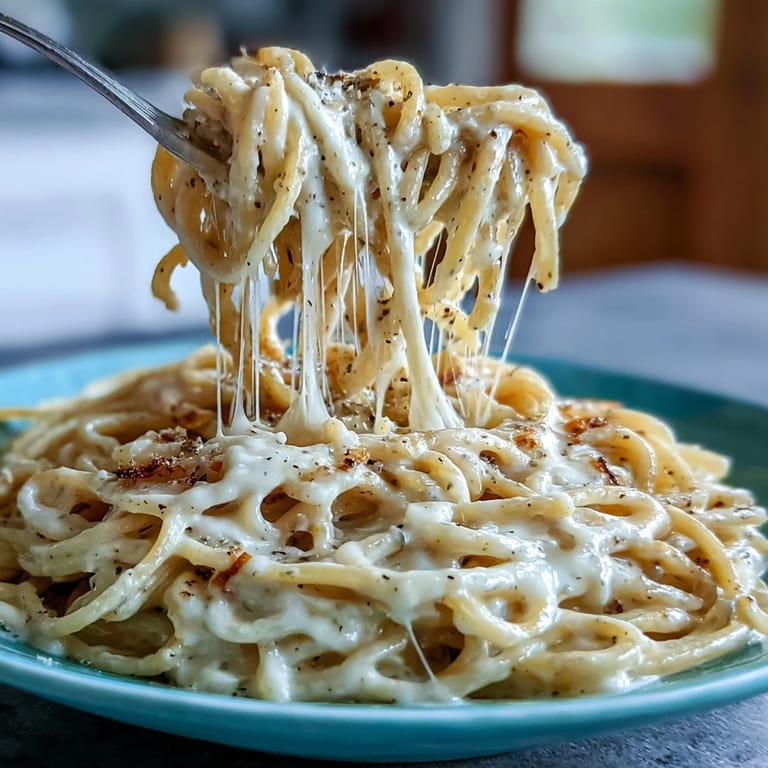
 There's a quiet thrill in watching a pot of boiling water turn into something unforgettable with just cheese and pepper. I used to think Roman cooking was all about complexity, until a friend's nonna shook her head at my overloaded pantry and pointed to three things on her counter. That night, standing in her tiny kitchen with steam fogging the windows, I learned that restraint can taste like magic. Cacio e pepe doesn't need a long ingredient list to earn its place at the table. It just needs respect, timing, and a willingness to let simple things shine.
I made this for my sister after she moved into her first apartment with almost nothing in the kitchen. She had a single pot, a wooden spoon, and a dubious can opener. We stood side by side, toasting pepper until the smell filled the whole place, and I watched her face change when the cheese melted into silk. She texted me two days later asking if it was okay to eat cacio e pepe three nights in a row. I told her some traditions are worth repeating.
Ingredients
- Spaghetti or tonnarelli (400 g): Tonnarelli is the Roman choice, square and sturdy, but spaghetti grabs the sauce beautifully and is easier to find.
- Pecorino Romano cheese (120 g, finely grated): This is the soul of the dish, sharp and salty, and it must be freshly grated or the sauce will turn grainy instead of creamy.
- Whole black peppercorns (2 tsp, freshly cracked): Toasting them wakes up their heat and fragrance in a way pre-ground pepper never will.
- Kosher salt (1 tsp): For the pasta water, which becomes part of the sauce, so don't skip salting it properly.
- Unsalted butter (1 tbsp, optional): Purists might scoff, but a small knob of butter can help the sauce come together if you're still learning the rhythm.
Tired of Takeout? 🥡
Get 10 meals you can make faster than delivery arrives. Seriously.
One email. No spam. Unsubscribe anytime.
Instructions
- Boil the pasta:
- Bring a large pot of water to a rolling boil, add the salt, then drop in the spaghetti and cook until just al dente, about a minute shy of the package time. Scoop out 1½ cups of that starchy, cloudy pasta water before you drain anything.
- Toast the pepper:
- While the pasta bubbles away, heat a large dry skillet over medium and add the cracked peppercorns, shaking the pan until they smell toasty and bold, about a minute. This step is where the dish gets its backbone.
- Build the base:
- Pour 1 cup of the reserved pasta water into the skillet with the toasted pepper and lower the heat. Let it simmer gently, just enough to marry the flavors.
- Toss the pasta:
- Add the drained spaghetti directly into the skillet and toss it around, letting it drink up some of that peppery water. The pasta should glisten and start to look alive again.
- Create the sauce:
- Pull the skillet off the heat and start sprinkling in the grated Pecorino, tossing constantly and vigorously like you're trying to convince the cheese to melt into the water instead of clumping. Add more pasta water a little at a time if it looks dry or tight.
- Finish and serve:
- If you're using butter, toss it in now and stir until it disappears into the sauce. Plate immediately, top with more cheese and a generous crack of pepper, and eat it while it's still steaming.
 Save to Pinterest
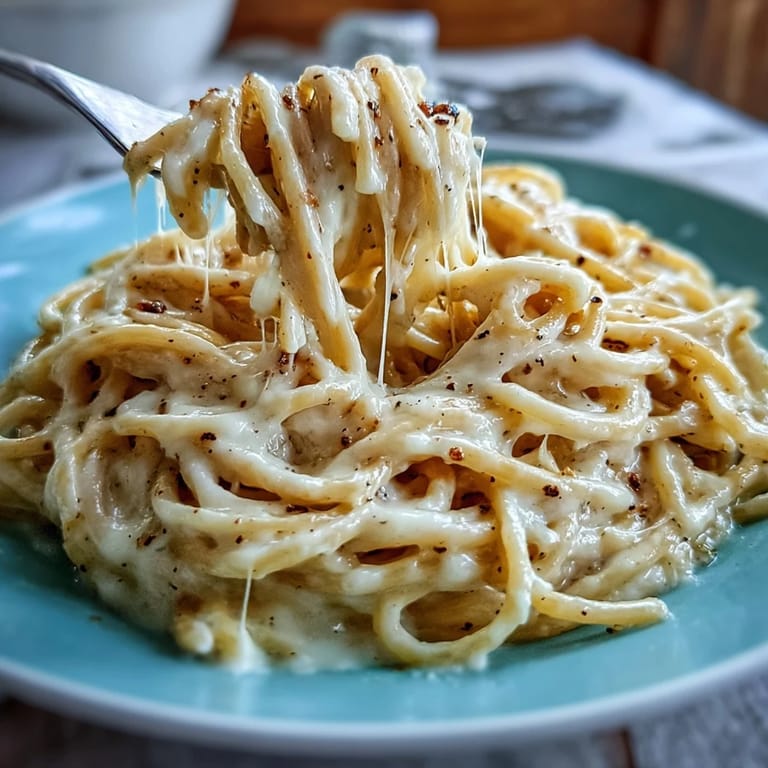
 One winter evening, I served this to a friend who'd just come back from a rough day. We didn't talk much, just twirled our forks and let the warmth do the work. Halfway through the bowl, she looked up and said it tasted like comfort with a little bit of bite. I realized then that cacio e pepe isn't just food, it's a reset button, a way to come back to something simple and true.
Choosing Your Pasta
Tonnarelli is traditional, thick and square, built to hold onto every bit of cheese and pepper. But spaghetti is more forgiving and just as delicious, especially if you're new to this. I've even used bucatini when I wanted something with a little more chew. The key is to cook it just under al dente, because it'll finish cooking in the skillet and soak up all that flavor.
The Cheese Situation
Pre-grated cheese might save time, but it's coated with anti-caking agents that will ruin your sauce. I learned this the hard way, standing over a gluey, broken mess that refused to come together. Now I grate my own Pecorino on the smallest holes of a box grater, and I do it right before I start cooking. The difference is night and day, creamy instead of grainy, smooth instead of sad.
What to Serve Alongside
Cacio e pepe is rich enough to stand alone, but a simple arugula salad with lemon juice cuts through the richness beautifully. A glass of Frascati or any crisp, dry white wine makes it feel like a proper Roman meal. If you want to round it out, some crusty bread for mopping up any leftover sauce is never a bad idea.
- Keep the sides light so the pasta stays the star.
- A squeeze of lemon over greens adds brightness without competing.
- Pour the wine cold and let the evening slow down a little.
 Save to Pinterest
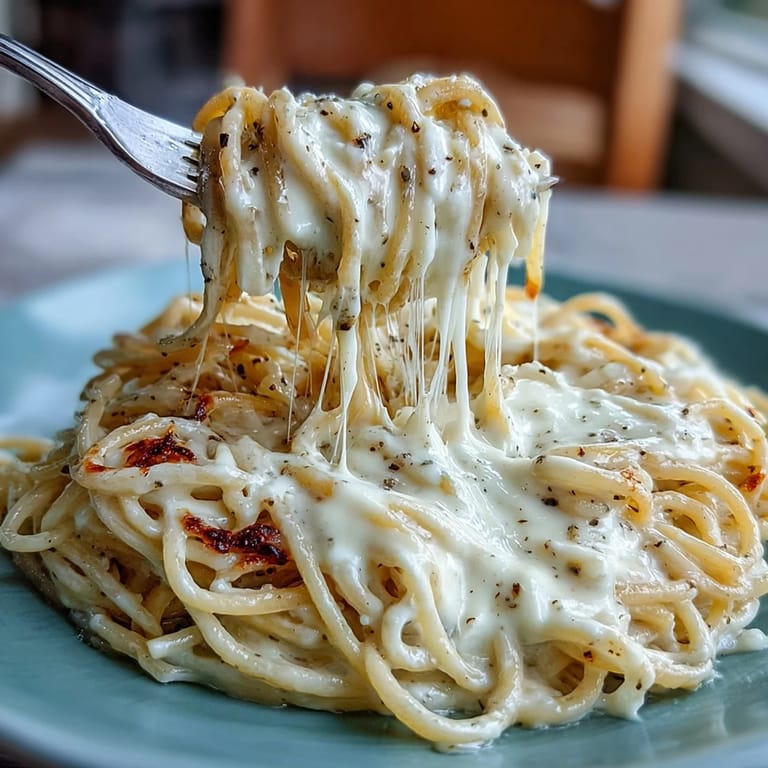
 This dish taught me that cooking doesn't always mean adding more, sometimes it means paying attention to less. I hope it brings you the same kind of quiet satisfaction it's given me, one bowl at a time.
Recipe Questions & Answers
- → Why does my cheese clump instead of creating a creamy sauce?
Clumping occurs when cheese meets excessive heat. Remove the skillet from heat before adding Pecorino, and add it gradually while tossing vigorously. Use enough hot pasta water to help emulsify the cheese into a smooth sauce. The starch in pasta water is essential for binding.
- → Can I substitute Parmesan for Pecorino Romano?
While Parmesan can work, Pecorino Romano is traditional and provides the sharp, salty flavor that defines authentic Cacio e Pepe. Pecorino is made from sheep's milk and has a more robust taste compared to the milder, cow's milk-based Parmesan.
- → What pasta shape works best?
Tonnarelli, a square-shaped spaghetti, is the traditional choice in Rome. Spaghetti is an excellent alternative and more widely available. Both long, thin shapes allow the sauce to coat evenly. Avoid thick or tubular pasta as the delicate sauce won't cling properly.
- → How much pasta water should I reserve?
Reserve at least 1½ cups of pasta cooking water. This starchy liquid is crucial for creating the creamy sauce. Start with 1 cup in the skillet, then add more gradually as needed. The starch acts as an emulsifier, binding the cheese and water into a silky coating.
- → Can this dish be made ahead or reheated?
Cacio e Pepe is best served immediately as the sauce can thicken and separate when cooled. If you must reheat, add a splash of water or milk and warm gently over low heat, stirring constantly. The texture won't be quite as perfect as freshly made.
- → Is butter traditional in Cacio e Pepe?
Traditional Roman Cacio e Pepe contains only three ingredients: pasta, Pecorino Romano, and black pepper. Butter is not authentic but some cooks add it for extra richness and creaminess. Purists omit it, letting the cheese shine as the sole fat.