 Save to Pinterest
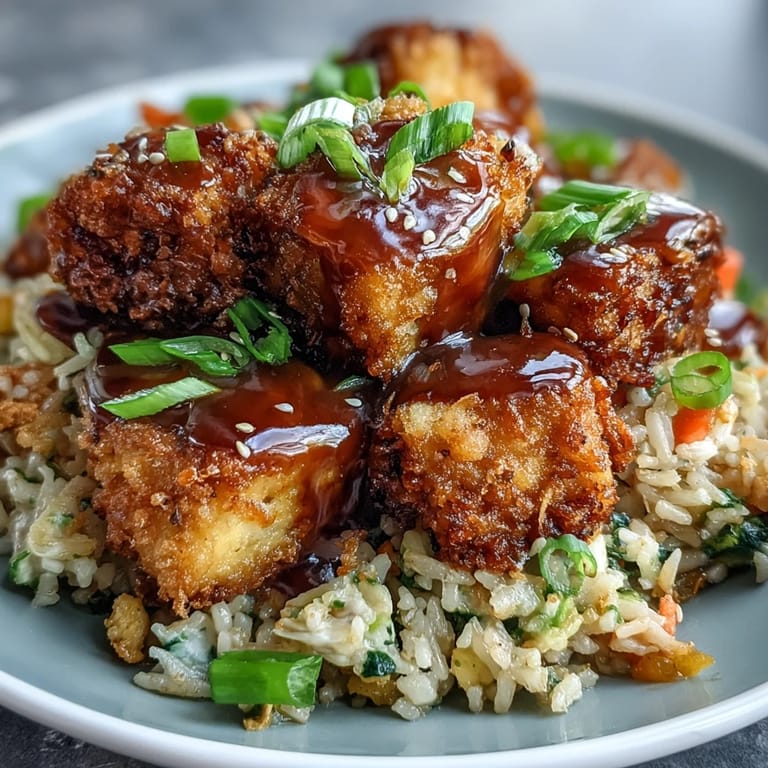
 There's something magnetic about fried rice that sizzles in a hot pan, especially when you're working with whatever's left in your fridge. I discovered this sesame tofu version while scrolling through late-night cooking videos, and what struck me wasn't the viral aesthetic but how genuinely doable it looked. The promise of crispy golden tofu cubes, the nutty aroma of sesame oil hitting hot rice, and a sauce that tastes way more complicated than it actually is—I had to try it the next evening.
I made this for my partner on a Tuesday when neither of us felt like ordering in, and the moment that warm sesame-ginger smell filled the kitchen, I watched their face light up like I'd somehow cracked a secret code. Turns out, homemade fried rice hits differently when the tofu actually tastes good and the whole thing comes together in under forty minutes. It became our go-to lazy dinner that somehow feels special.
Ingredients
- Firm tofu (400 g): Press it well—this step genuinely matters because extra moisture means soggy instead of crispy, and we're after that golden exterior.
- Cornstarch (2 tbsp): This is the secret weapon for crispiness; it creates a light, crunchy coating without any fussiness.
- Neutral oil (2 tbsp for tofu, 2 tbsp for rice): Keep the heat up and don't skip this—good oil temperature is everything here.
- Cold cooked rice (3 cups): Day-old rice works best because fresh rice tends to clump; if you only have warm rice, spread it on a plate to cool first.
- Frozen mixed vegetables (1 cup): They cook perfectly from frozen in this quick stir-fry, no prep fuss required.
- Garlic and ginger: Fresh is non-negotiable here; the sauce relies on their brightness to shine through.
- Soy sauce (3 tbsp): Use tamari if you need gluten-free, and taste as you go since soy saltiness varies by brand.
- Toasted sesame oil (1 tbsp): Don't skimp or use regular sesame oil—the toasted version has the flavor punch that makes this dish memorable.
- Rice vinegar (1 tbsp): This adds a gentle tang that balances the richness and sweetness perfectly.
- Maple syrup or honey (1½ tbsp): A small amount brings warmth without making the dish taste dessert-like.
Tired of Takeout? 🥡
Get 10 meals you can make faster than delivery arrives. Seriously.
One email. No spam. Unsubscribe anytime.
Instructions
- Press and cube your tofu:
- Wrap pressed tofu in paper towels and let it sit for a few minutes—this removes excess moisture that would prevent crisping. Cut into even 2 cm cubes so they cook uniformly.
- Coat with cornstarch magic:
- Toss cubes gently in a bowl with cornstarch and salt until every surface is lightly dusted. This creates that coveted golden crust when it hits the hot oil.
- Crisp the tofu:
- Heat oil in your skillet over medium-high until it shimmers, then add tofu in a single layer without crowding. Resist the urge to move it around constantly—let each side develop color for 2–3 minutes before turning.
- Whisk the sauce together:
- In a small bowl, combine soy sauce, sesame oil, rice vinegar, ginger, maple syrup, and sriracha if using. Taste it straight from a spoon—this is your flavor guide for the whole dish.
- Build your flavor base:
- In the same skillet, add fresh oil and sauté diced onion and scallion whites until they're softened and fragrant. This takes about 2 minutes and sets the aromatic foundation.
- Add garlic and vegetables:
- Stir in minced garlic and cook for just 1 minute—you want that raw edge mellowed but not browned. Add thawed vegetables and cook until they're heated through and slightly caramelized at the edges.
- Incorporate the rice:
- Break up cold rice clumps with your spatula as you add it to the skillet, working it in gradually so everything combines evenly. Stir-fry for 3–4 minutes until the rice is warmed through and grains are separated.
- Bring it all together:
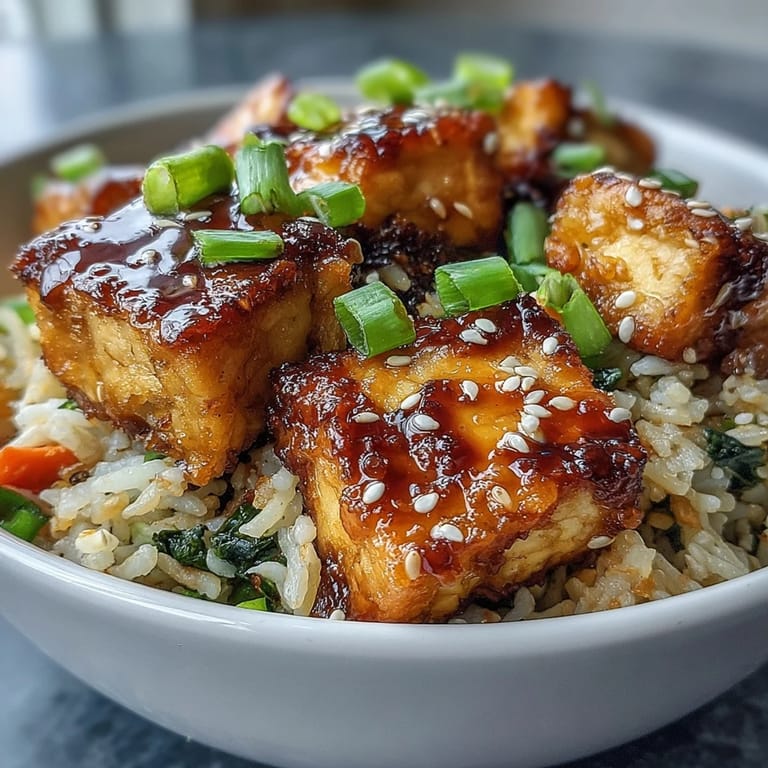
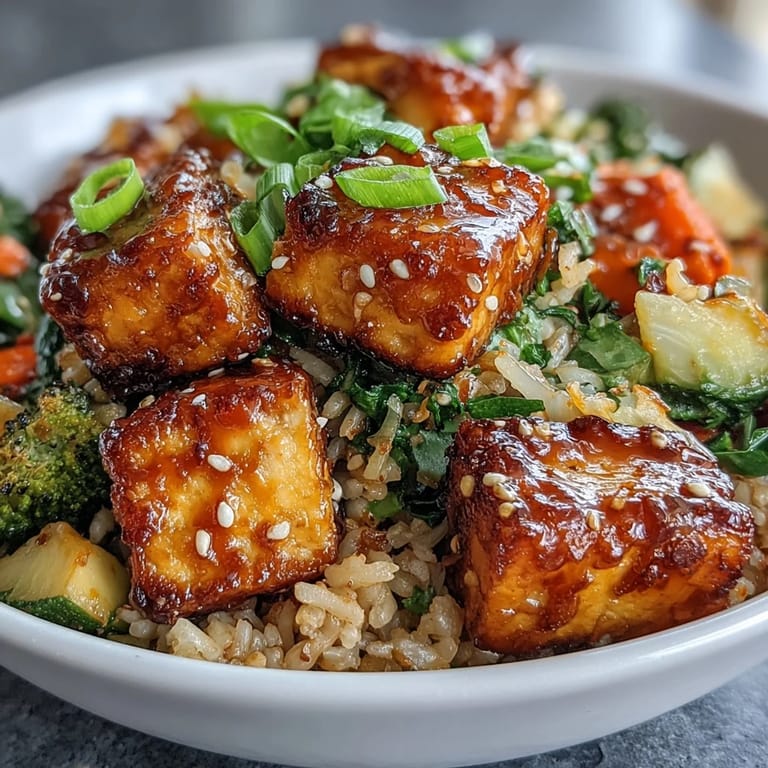
- Return crispy tofu to the skillet, pour the sauce over everything, and toss constantly for about 2 minutes until every grain is glossy and coated. The sauce will caramelize slightly on the pan surface, which is exactly what you want.
- Finish with style:
- Transfer to plates or bowls and scatter toasted sesame seeds and fresh scallion greens over the top while it's still warm.
 Save to Pinterest
 The first time this dish truly felt like a win was when my friend Sarah came over tired from work and the smell alone seemed to shift something in her mood. She took one bite of a tofu cube and said, 'Wait, is this actually tofu?'—and that's when I knew the technique had stuck. Now whenever someone's skeptical about plant-based cooking, I make this.
Why This Recipe Actually Works
The genius of this dish lies in respecting each component's timing. The tofu gets its moment in a hot skillet to develop character, the sauce is balanced enough to coat rather than drown, and the rice is treated as the canvas it deserves to be. There's no pretense here, just technique meeting accessibility in a way that makes weeknight cooking feel manageable and genuinely satisfying. When you nail the temperature and the sauce balance, everything else falls into place naturally.
Variations Worth Trying
The foundation here is flexible enough that you can pivot based on what's in your kitchen or what you're craving. Swap tofu for tempeh if you want an earthier flavor and sturdier texture, or use edamame for a pop of sweetness and different protein feel. Bell peppers add crunch and color, shredded cabbage brings freshness, and a handful of cashews scattered on top creates textural contrast that's genuinely crave-worthy.
Serving Suggestions & Pairings
This fried rice stands on its own but sings alongside something cool and refreshing. A simple cucumber salad with rice vinegar and a pinch of sesame oil cuts through the richness beautifully, or even just sliced cucumber on the side brings balance. For a fuller meal, pair it with a light miso soup or steamed edamame, keeping the entire dinner light enough that you don't feel weighed down but satisfied enough that you're not hunting for snacks an hour later.
- Pro move: Make extra tofu for crispy snacking straight from the pan.
- Texture tip: If your fried rice feels dry, drizzle a touch more sesame oil rather than adding liquid.
- Flavor reminder: Taste and adjust the sauce balance right before serving since flavors can shift once everything combines.
 Save to Pinterest
 This sesame tofu fried rice has quietly become the recipe I make when I want to feel like I'm taking care of someone, including myself. It's proof that simple ingredients and a little technique can create something that tastes intentional and tastes like home.
Recipe Questions & Answers
- → Why use day-old rice for fried rice?
Day-old rice has dried out slightly, which prevents it from becoming mushy during stir-frying. The grains separate easily and develop a better texture when heated quickly in the skillet.
- → How do I press tofu properly?
Wrap the block of tofu in clean towels or paper towels, place it on a plate, and set something heavy on top like a cast iron pan or canned goods. Let it press for 15-20 minutes to remove excess moisture before cutting into cubes.
- → Can I make this gluten-free?
Yes, simply substitute regular soy sauce with tamari or coconut aminos. All other ingredients including the tofu, rice, vegetables, and seasonings are naturally gluten-free.
- → What vegetables work best in this dish?
Frozen mixed vegetables (peas, carrots, corn) are convenient and budget-friendly. You can also add fresh options like diced bell peppers, shredded cabbage, snap peas, or baby corn for extra crunch and color.
- → How can I add more protein?
Beyond the tofu, you can mix in edamame, scrambled eggs, or cashews. For non-vegetarian versions, diced chicken, shrimp, or pork work beautifully with the Asian-inspired flavors.
- → Is the spiciness adjustable?
Absolutely. The Sriracha is optional, so you can omit it entirely for a mild version or increase the amount to suit your taste. Red pepper flakes or fresh chili garlic paste are good alternatives too.