 Save to Pinterest
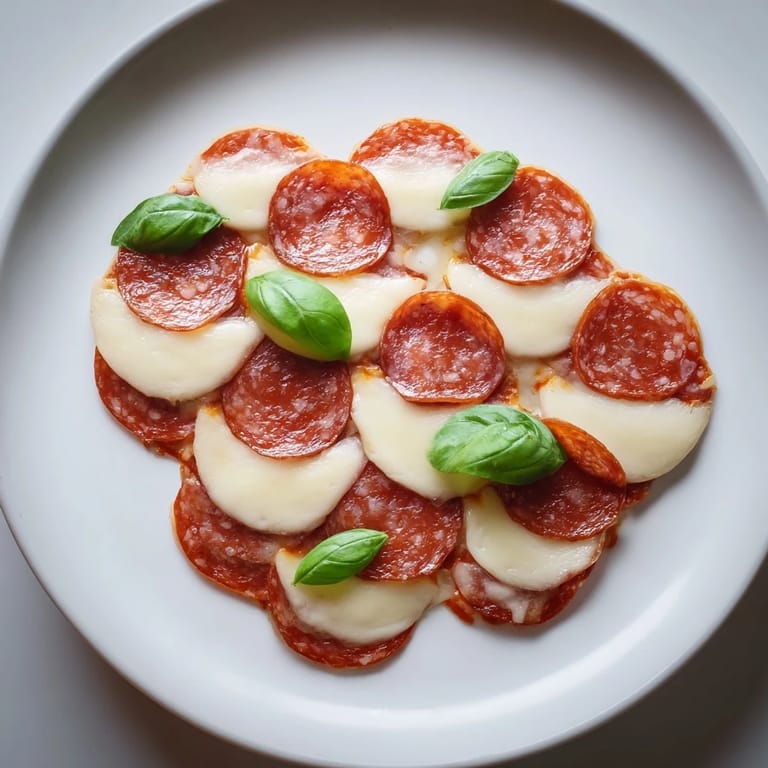
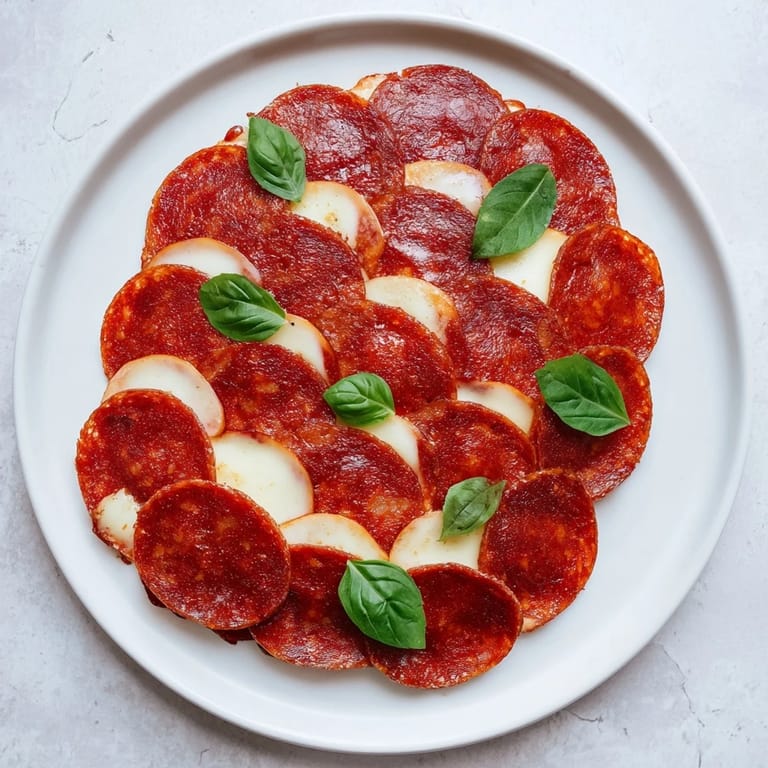
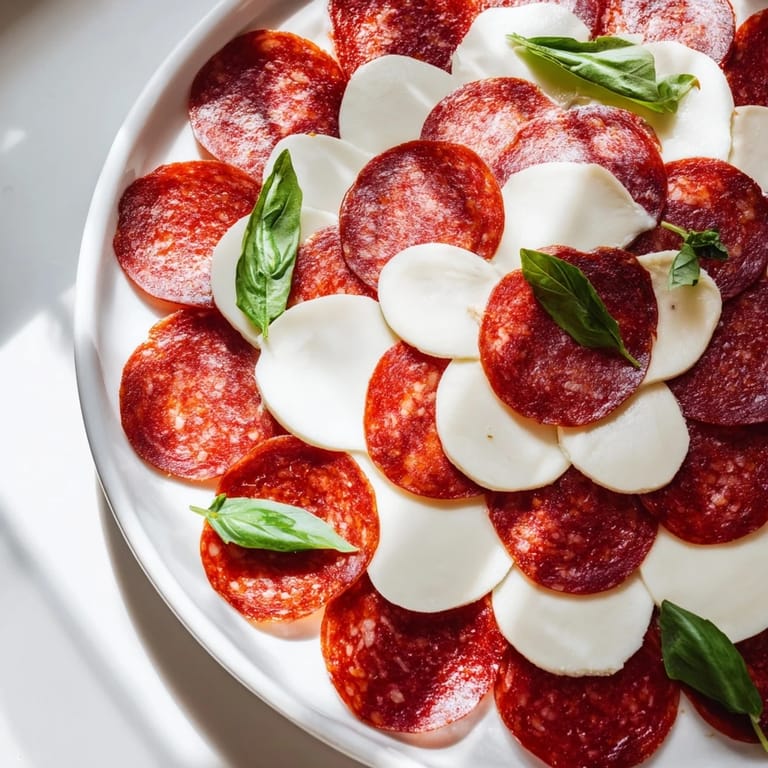
 My friend texted me a photo of dragon scales she'd seen at a museum exhibit, and I stared at it while eating cheese and pepperoni slices straight from the deli counter. The overlapping pattern was so obvious once I noticed it—nature's geometry meeting snack time. Ten minutes later, I'd scattered the pieces across a platter in rough rows, and something clicked. This wasn't just appetizer assembly; it was making food that looked like it had a story before anyone tasted it.
I made this for a potluck once where everyone else brought the usual suspects: pasta salad, chips, brownies. When I set down my platter of dragon scales, someone actually gasped and called everyone over to see it before touching anything. That moment—when the presentation alone earned genuine excitement—that's when appetizers stopped feeling like obligations and started feeling like small magic tricks.
Ingredients
- Pepperoni, thinly sliced (150 g): Buy pre-sliced from the deli if you can; it's thinner and drapes better than packaged versions. The slight spice cuts through the richness of the cheese.
- Semi-firm cheese in thin rounds or half-moons (150 g): Provolone is my go-to because it doesn't get greasy when baked, but mozzarella works if you like it softer and cheddar if you want sharper flavor. Slice it yourself for consistent thickness.
- Baguette slices or crackers (1 baguette, optional): Toast them lightly before assembling so they don't get soggy under the cheese, or skip the base entirely for a gluten-free version.
- Fresh basil or parsley leaves (optional): A small handful scattered on top adds color and a hint of freshness that balances the richness.
Tired of Takeout? 🥡
Get 10 meals you can make faster than delivery arrives. Seriously.
One email. No spam. Unsubscribe anytime.
Instructions
- Prep your base:
- If you're using bread, slice your baguette into 1 cm rounds and arrange them on a baking sheet or serving platter. If you're going without, that's fine too—you can build the scales directly on the platter for a more casual, artistic look.
- Lay the first cheese scale:
- Take a cheese slice and position it so the straight edge aligns with the edge of your base, rounded side facing outward. This is your scale foundation and it anchors the whole pattern.
- Overlap with pepperoni:
- Place a pepperoni slice so it covers about half of the cheese, creating that natural overlapping dragon-scale effect. The colors and textures should start creating visual rhythm here.
- Build the pattern:
- Keep alternating cheese and pepperoni, each piece slightly overlapped like roof tiles. Work methodically row by row; the pattern emerges faster than you'd expect.
- Bake if you want warmth:
- Pop the assembled pieces into a 200°C oven for 5-7 minutes if you want the cheese just melted and the pepperoni edges slightly crispy. Skip this if you prefer them cold and firm.
- Finish and serve:
- Sprinkle fresh herbs over the top if using them, and get it to the table while the presentation is still sharp. These are best eaten soon after assembly.
 Save to Pinterest
 Someone once told me that food is half taste and half theater, and this dish proved it. A kid at a dinner party asked if the scales were real before taking one, and the adults laughed, but she was asking the right question—the presentation really does make it feel like something extraordinary happened in the kitchen.
Ways to Make It Your Own
The base formula is just a skeleton; the real fun is in swapping things around. I've made vegetarian versions using grilled zucchini strips instead of pepperoni, and they're equally stunning—the soft green against pale cheese is almost elegant. Roasted red peppers work beautifully too and bring a subtle sweetness that changes the entire vibe.
Building Without Bread
Some of my best batches have been made without any base at all—just the scaled pattern built directly on the platter, arranged in loose concentric circles or straight rows depending on my mood. It feels more modern somehow, and it's definitely faster. Gluten-free guests appreciate this version especially since there's no bread to worry about.
Serving and Storage
These are best served within an hour or two of assembly, when the presentation is crisp and the cheese hasn't started beading with condensation. If you're making them ahead, assemble them cold and either serve as-is or bake right before guests arrive. A small dish of marinara or pesto on the side turns them from appetizer into a dipping situation that people linger around.
- Store leftover pieces in the fridge and they keep for a few days, though the presentation wilts—eat them cold or reimagine them as a pizza topping.
- Don't bake until serving unless you enjoy chewy, warm cheese; cold versions have better texture and easier handling.
- If someone asks how you made it, tell them the story instead of the recipe—that's the real trick.
 Save to Pinterest
 This recipe taught me that sometimes the most impressive dishes are the ones that look complicated but aren't, and that's a gift to give people. Serve it proudly.
Recipe Questions & Answers
- → What cheese types work best for the layering?
Semi-firm cheeses like provolone, mozzarella, or cheddar sliced thinly work well for easy layering and melting.
- → Can this be made gluten-free?
Yes, using gluten-free crackers or cucumber rounds instead of baguette provides a gluten-free option.
- → Is there a way to prepare this for vegetarians?
Substitute pepperoni with grilled zucchini or roasted red pepper slices to make a vegetarian-friendly version.
- → How long should it be baked for warming?
Warm in a 200°C (400°F) oven for about 5-7 minutes to slightly melt cheese and crisp pepperoni edges.
- → What garnishes enhance the flavor?
Fresh basil or parsley leaves add herbal brightness and visual appeal when served.