 Save to Pinterest
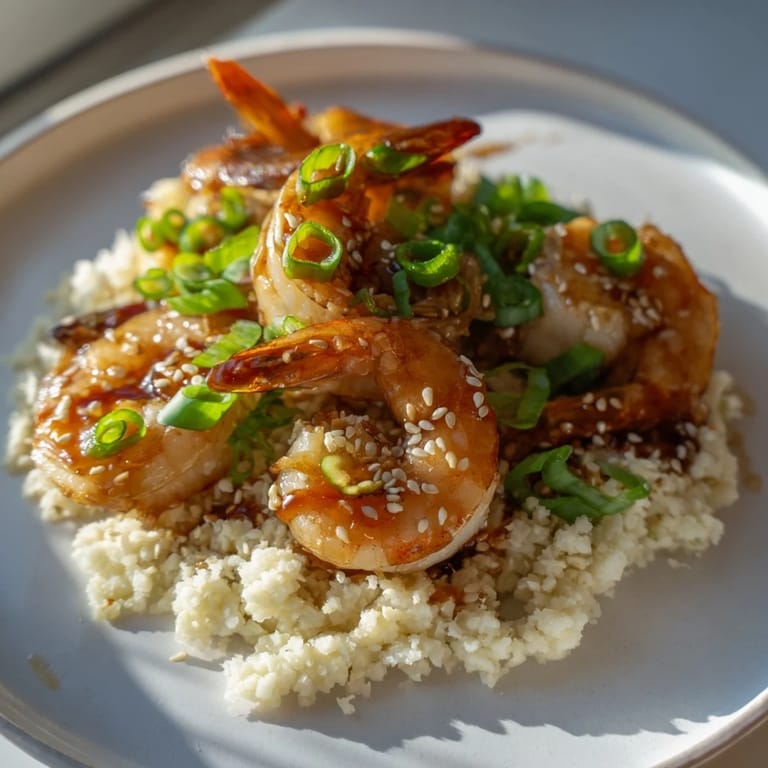
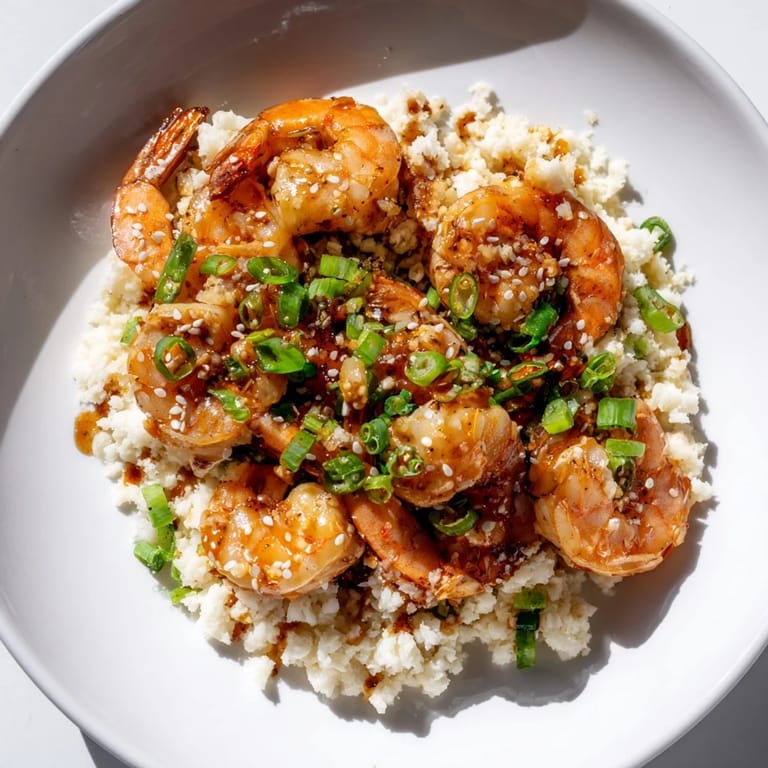
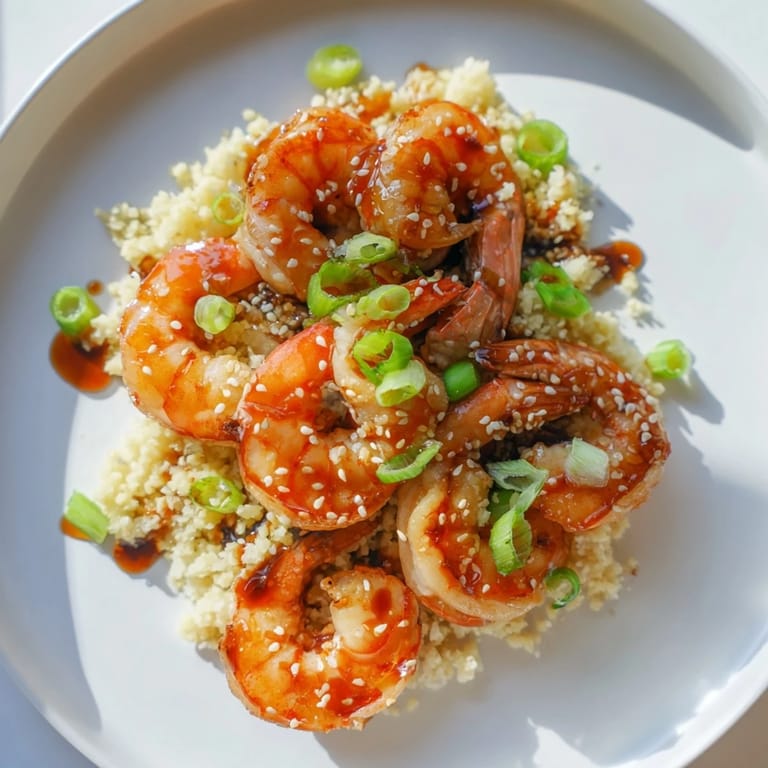
 I discovered this bowl on a Tuesday evening when I had nothing in the fridge except shrimp, cauliflower, and half a bottle of soy sauce. My kitchen smelled incredible within minutes of those ginger and garlic hitting hot oil, and by the time everything came together, I realized I'd accidentally created something I'd want to make again and again. There's something about the way the shrimp curls up pink and tender while that nutty sesame oil drizzle pools across the rice that just feels like you've done something right.
My coworker asked what I was eating for lunch one day and watched me demolish this bowl in five minutes. She asked for the recipe immediately, and now she makes it every Sunday and brings it to our Monday meetings. That moment when someone recognizes that your food tastes effortless but intentional—that's when you know you've found something special.
Ingredients
- Large shrimp, peeled and deveined (1 pound): The size matters here—big shrimp won't overcook, and they're meaty enough to feel substantial. Buy them fresh if possible, or thaw frozen ones slowly in the fridge overnight.
- Fresh ginger, finely grated (1 tablespoon): Microplane it if you have one; the texture changes everything, releasing oils that meld into that marinade beautifully.
- Garlic, minced (3 cloves): Fresh is non-negotiable, and please mince it yourself—the bite you get from just-cut garlic is incomparable.
- Olive oil (3 tablespoons total): Use a decent one, not the cheapest bottle; you taste it in both the marinade and the cauliflower rice.
- Cauliflower, cut into florets (1 large head): Fresh is better than frozen here because you need to pulse it yourself into that perfect rice texture.
- Gluten-free soy sauce or tamari (3 tablespoons): Tamari tastes richer and doesn't have that slightly flat quality regular soy sauce sometimes carries.
- Toasted sesame oil (1 tablespoon): This is the secret—it's peppery and nutty and transforms a simple drizzle into something memorable.
- Rice vinegar (1 tablespoon): It brightens everything without the harshness of regular vinegar; trust this detail.
- Green onions, thinly sliced (2): Slice them right before serving so they stay crisp and their sharpness cuts through the richness.
- Toasted sesame seeds (1 tablespoon): Buy them already toasted, or toast your own—the aroma alone is worth it.
Tired of Takeout? 🥡
Get 10 meals you can make faster than delivery arrives. Seriously.
One email. No spam. Unsubscribe anytime.
Instructions
- Pulse your cauliflower into rice:
- Cut your cauliflower into florets and pulse them in the food processor until they're about the size of rice grains. Don't over-process or you'll end up with cauliflower mush instead of texture.
- Sauté the cauliflower rice:
- Heat olive oil in a large skillet over medium heat and add your riced cauliflower with a pinch of salt. You'll hear it hit the pan with a little sizzle—let it cook for five to six minutes, stirring occasionally, until it's tender but still has a slight bite.
- Season and marinate your shrimp:
- In a bowl, toss your shrimp with grated ginger, minced garlic, a tablespoon of olive oil, salt, and pepper. Let it sit for five minutes while you get your skillet ready; the marinade starts working immediately.
- Cook the shrimp until just pink:
- Heat your skillet over medium-high heat until it's hot enough that a drop of water sizzles immediately. Add the shrimp in a single layer (don't crowd the pan or they'll steam instead of sear) and cook for two to three minutes per side until they're opaque and pink. The moment they curl up and lose that translucent look, they're done.
- Make your soy drizzle:
- Whisk together tamari, toasted sesame oil, rice vinegar, a touch of honey, and fresh ginger in a small bowl. Taste it and adjust—if it's too salty, add a splash more vinegar; if it needs depth, add a drop more sesame oil.
- Assemble and serve:
- Divide your warm cauliflower rice among four bowls, top each with shrimp, and drizzle generously with that soy mixture. Finish with sliced green onions and sesame seeds, and serve immediately while everything still has warmth.
 Save to Pinterest
 Last week I made this for my partner who'd had a rough day at work, and they took one bite and just closed their eyes. It wasn't fancy or complicated, but somehow it felt like the right meal at the right moment—nourishing without being heavy, flavorful without being complicated. That's when food becomes more than fuel.
Why the Ginger and Garlic Matter
There's a reason this combination shows up in kitchens across Asia—it's earthy, warming, and just slightly spicy in that clean way that wakes up your palate. When you grate ginger fresh and mince garlic by hand, you're releasing oils that frozen or pre-minced versions simply can't match. The shrimp absorbs these flavors like a sponge, and by the time they hit the pan, they're already halfway to delicious.
The Cauliflower Rice Secret
I used to buy pre-riced cauliflower until I realized how much flavor you lose in the processing and bagging. When you pulse fresh florets yourself, you get uneven pieces that sauté beautifully—some get slightly crispy edges while others stay tender, creating actual texture instead of a uniform mush. The salt is important here too; it seasons the rice as it cooks and helps it release moisture so it doesn't get soggy.
Making It Your Own
This bowl is a blank canvas if you want it to be. I've added steamed broccoli for extra volume, thrown in snap peas for crunch, and even scattered crispy chickpeas on top for protein when I didn't have enough shrimp. For heat, a pinch of chili flakes or a drizzle of sriracha in the soy mixture transforms the whole vibe.
- Add a soft-boiled egg on top for richness and extra protein that transforms the meal.
- Substitute the cauliflower rice with regular brown rice if you're not avoiding carbs—the drizzle works just as well.
- Toast your own sesame seeds in a dry skillet for about two minutes and you'll understand why it makes such a difference.
 Save to Pinterest
 This is the kind of recipe that proves you don't need complexity to cook something delicious. When you've got fresh ingredients and you treat them with respect, everything else follows naturally.
Recipe Questions & Answers
- → Can I use regular rice instead of cauliflower rice?
Yes, cooked white or brown rice can be substituted if you prefer a higher-carb base or a different texture.
- → How do I ensure the shrimp cooks evenly?
Cook shrimp in a single layer over medium-high heat, about 2-3 minutes per side, until pink and opaque to avoid overcooking.
- → What can I add to increase the flavor variety?
Consider adding steamed broccoli, snap peas, or shredded carrots for extra texture and taste.
- → Can I adjust the spice level?
Yes, adding chili flakes or sriracha to the soy drizzle will provide a spicy kick.
- → Is this dish suitable for gluten-free diets?
Using tamari instead of regular soy sauce keeps this dish gluten-free and safe for sensitive diets.