 Save to Pinterest
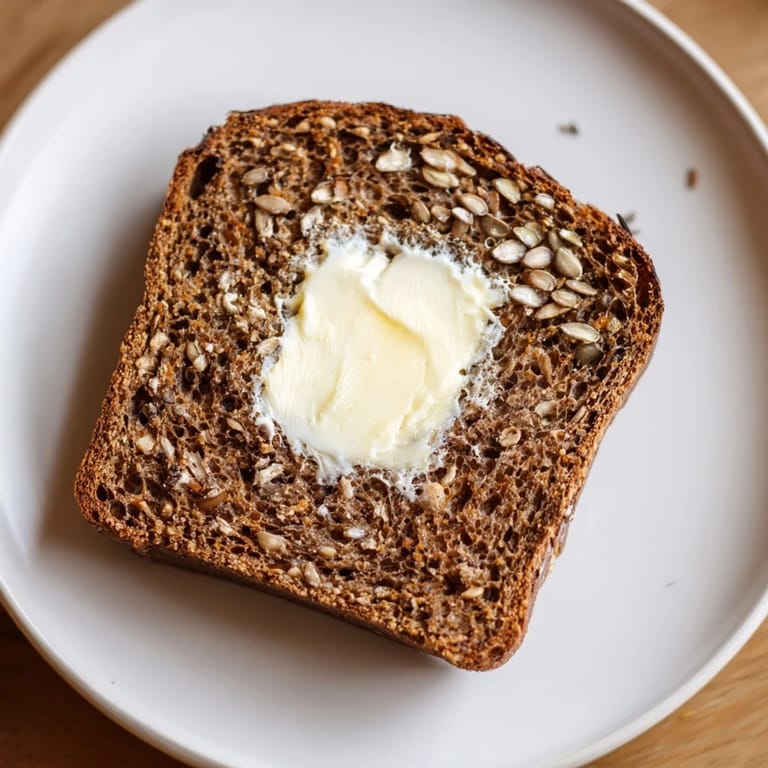
 The first time I tasted rupjmaize, I was sitting in a cramped Riga kitchen on a grey afternoon, watching an elderly neighbor pull a dark, crusty loaf from her ancient oven. The smell hit me like a wave—earthy, slightly sweet, with hints of caraway that seemed to fill every corner of the small space. She sliced it thick, spread salted butter across the warm bread, and handed me a piece without saying much. That one bite changed how I thought about bread entirely.
I remember bringing a loaf of this to a potluck and watching people reach for it again and again, even when fancier breads sat untouched. One friend asked if I'd bought it from a bakery, and I realized in that moment that making something this good at home wasn't about being a talented baker—it was just about patience and trusting the process.
Ingredients
- Dark rye flour (500 g): This is the backbone of rupjmaize, giving it that characteristic deep color and earthy, slightly tangy flavor that regular wheat bread simply cannot replicate.
- Bread flour (100 g): A small amount of bread flour helps structure the dough and prevent it from becoming too dense, even though rye is naturally heavier.
- Active dry yeast (1 packet, 7 g): The long, cool rise means you need healthy yeast that can work steadily without overproofing the dough.
- Warm water (350 ml): Rye absorbs water differently than wheat, so this amount creates a sticky dough that's completely normal and necessary.
- Molasses or dark honey (2 tbsp): Beyond sweetness, these add color, moisture, and a subtle depth that makes people ask what your secret ingredient is.
- Salt (2 tsp): Don't skip or reduce this—it strengthens the gluten network and brings out the caraway's flavor.
- Caraway seeds (2 tsp): Toast them lightly before mixing if you want a more pronounced, nuttier presence, but raw seeds work beautifully too.
- Vegetable oil (1 tbsp plus extra): A small amount keeps the dough workable and the finished bread moist for days.
Tired of Takeout? 🥡
Get 10 meals you can make faster than delivery arrives. Seriously.
One email. No spam. Unsubscribe anytime.
Instructions
- Wake the yeast with molasses:
- Combine warm water, molasses, and yeast in a bowl and wait 10 minutes until it's foamy and alive. This step tells you your yeast is ready to do the work ahead.
- Build the dough:
- Mix in both flours, salt, and caraway seeds until shaggy and rough. The dough will look unpromising at this point, but that's exactly right.
- Knead with purpose:
- Add oil and knead by hand or machine for 5–7 minutes until the dough feels smooth and springy, though still sticky. Don't fight the stickiness—embrace it as the sign of a dough that will bake into something tender.
- Let time do the work:
- Oil a bowl, place the dough inside, cover it, and leave it at room temperature for 12–16 hours overnight. During this long rise, the flavor develops and the dough becomes easier to handle.
- Shape with confidence:
- Punch down the dough, turn it onto a lightly floured surface, and shape it into a round or oval loaf. Transfer to parchment paper or a greased loaf pan and let it rise again for 45–60 minutes until puffy and full of promise.
- Prepare for baking:
- Heat your oven to 220°C (425°F) while the dough finishes its final rise. Dust the loaf generously with rye flour and score the top if you like—this helps the bread expand and looks beautiful.
- Bake until deeply golden:
- Bake for 45–50 minutes in the center of the oven until the loaf is dark brown and sounds hollow when you tap the bottom. Trust your ears and your eyes more than any timer.
- Cool completely before slicing:
- Place the loaf on a wire rack and resist the urge to slice into it warm. Cooling allows the structure to set so each slice stays intact and tender rather than crumbly.
 Save to Pinterest
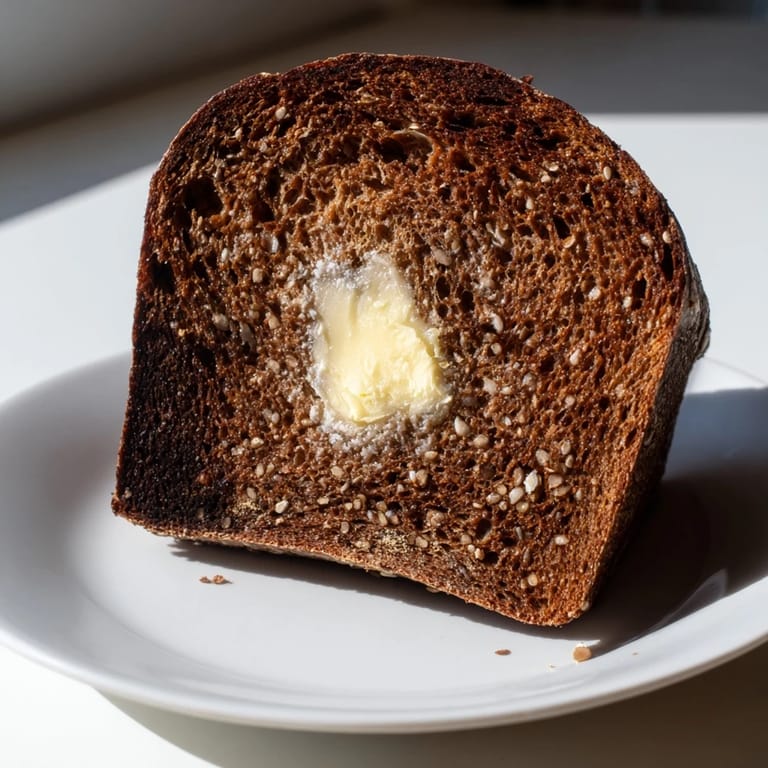
 One winter morning, I sliced into a loaf I'd baked the day before and realized the flavor had actually improved overnight—the crumb had become more complex, the crust had softened slightly, and it tasted even better with butter and jam than it had fresh. That's when I understood why my neighbor never seemed rushed about her baking.
The Magic of a Long, Cool Rise
This bread doesn't rush. The 12–16 hour overnight rise isn't about convenience (though it is), it's about transformation. During those quiet hours, the dough develops its flavor, becomes easier to shape, and gains the subtle tang that makes rupjmaize taste like nothing else. Cold fermentation also means the bread stays fresh longer and actually tastes better the next day. If your kitchen is warm, you can do the rise in the refrigerator and extend it even longer.
Why Rye Dough Feels Different
Rye flour has less gluten than wheat and different starches, so the dough will always be stickier and feel looser in your hands. This isn't a mistake—it's exactly how it should be. The combination of rye and bread flour creates a structure that's strong enough to rise and hold shape, but tender enough to give you that moist, slightly dense crumb. Once you understand this, you stop fighting the dough and start working with it.
Serving and Storing Your Rupjmaize
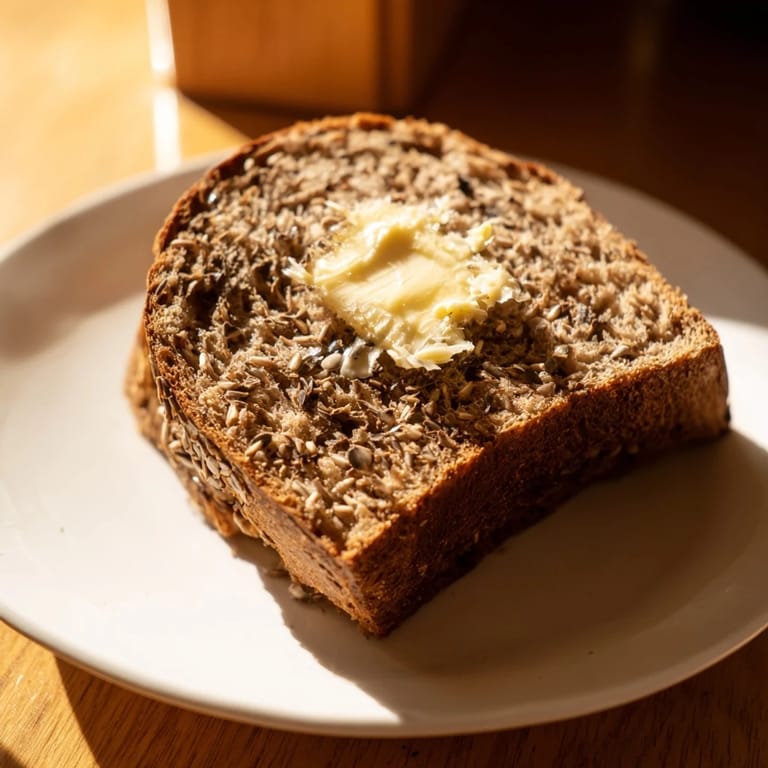
Fresh rupjmaize is wonderful, but it truly shines when sliced thick and toasted until the edges crisp up. Serve it with salted butter, smoked fish, strong cheese, or alongside dark soups and stews. The bread keeps for several days wrapped loosely at room temperature, and it freezes beautifully for months—slice it before freezing so you can toast individual slices straight from the freezer whenever you need them.
- Toast thick slices until they're golden and slightly crispy for the best texture and deepened flavor.
- Pair it with contrasting flavors like sharp cheese, pickled vegetables, or rich pâtés to let the bread's earthiness shine.
- A loaf shared warm from the oven, with butter and good company, tastes like home no matter where you are.
 Save to Pinterest
 Making rupjmaize taught me that some of the most rewarding things in the kitchen ask only for time and patience, not fancy techniques. Once you pull that dark, crusty loaf from the oven and smell it cooling on the rack, you'll understand why this bread has been part of Latvian tables for so long.
Recipe Questions & Answers
- → What gives this bread its dense texture?
The high proportion of dark rye flour and long fermentation create a moist, dense crumb typical of Latvian rye bread.
- → Why are caraway seeds used in this loaf?
Caraway seeds add a distinctive, slightly sweet and licorice-like flavor that complements the earthy rye base.
- → How long should the dough rise for best results?
Allowing the dough to rise 12–16 hours at room temperature develops flavor and ensures the proper texture.
- → Can the seeds be toasted before use?
Lightly toasting caraway seeds before adding them enhances their aroma and flavor in the loaf.
- → What is the ideal way to serve this bread?
Slice and toast the bread; it pairs well with butter, smoked fish, or hearty stews for a satisfying meal.
- → Is this bread suitable for vegetarians?
Yes, it contains no animal products and is suitable for vegetarian diets.