 Save to Pinterest
 The kitchen was cold that February morning, but the oven was already warming when I pulled the duck from the fridge. I had never roasted a whole duck before, let alone for Valentine's Day, but something about the challenge felt right. The five-spice powder sat open on the counter, filling the air with star anise and cinnamon before I even began. My hands were clumsy with the marinade at first, but once the honey and soy mixed with the ginger, I knew this was going to be unforgettable. By the time the duck went into the oven, I was already planning the next time I'd make it.
I made this for my partner on a whim, hoping to surprise them with something beyond the usual Valentine's dinner. The house filled with spice and citrus as the duck roasted, and by the time we sat down, the table felt like a small celebration. We tore into the crispy skin with our hands, laughing at how messy it was, how perfect. That night, the dish became ours, not just because it tasted incredible, but because we made it a tradition. Every year since, we've roasted a duck together, and every year it gets a little easier and a lot more meaningful.
Ingredients
- Whole duck: Look for one around 1.5 to 2 kg, cleaned and completely dry; any moisture left on the skin will steam instead of crisp, so pat it down well with paper towels.
- Chinese five-spice powder: This blend of star anise, cloves, cinnamon, Sichuan pepper, and fennel is the soul of the dish; buy it fresh if you can, as stale spice loses its magic.
- Sea salt: Coarse sea salt draws out moisture and seasons deeply, creating that crackling skin you want.
- Light soy sauce: Adds umami and a subtle saltiness; use gluten-free if needed, and don't skip it even if you're tempted.
- Dark soy sauce: This gives the duck its deep amber color and a hint of molasses richness that balances the spice.
- Honey: It caramelizes beautifully in the oven and adds just enough sweetness to contrast the savory marinade.
- Shaoxing wine: A Chinese cooking wine that brings depth and a faint floral note; dry sherry works if you can't find it.
- Garlic and ginger: Freshly minced and grated, these aromatics cut through the richness of the duck and marry perfectly with five-spice.
- Orange: Zest and juice add brightness, and the quartered fruit inside the cavity perfumes the meat from within.
- Spring onions and star anise: Stuffed into the cavity, they release their oils as the duck roasts, infusing every bite with fragrance.
Tired of Takeout? 🥡
Get 10 meals you can make faster than delivery arrives. Seriously.
One email. No spam. Unsubscribe anytime.
Instructions
- Make the Marinade:
- In a small bowl, whisk together the five-spice powder, sea salt, both soy sauces, honey, Shaoxing wine, minced garlic, grated ginger, and the zest and juice of one orange until smooth and fragrant. The honey will resist at first, but keep stirring until it dissolves into a glossy, aromatic paste.
- Prep the Duck:
- Set the duck on a rack in your roasting pan and prick the skin all over with a fork, being careful not to pierce the meat underneath. This lets the fat render out during roasting, leaving you with crispy, golden skin instead of rubbery disappointment.
- Marinate:
- Rub the marinade all over the duck, inside and out, massaging it into every crevice and under the wings. Stuff the cavity with the quartered orange, chopped spring onions, and star anise pods, then let it marinate uncovered in the fridge for at least an hour, or overnight if you have the patience.
- Preheat and Roast:
- Preheat your oven to 180°C (350°F) and place the duck breast-side up in the roasting pan. Roast for one hour, basting every 30 minutes with the pan juices to keep the skin moist and flavorful.
- Crisp the Skin:
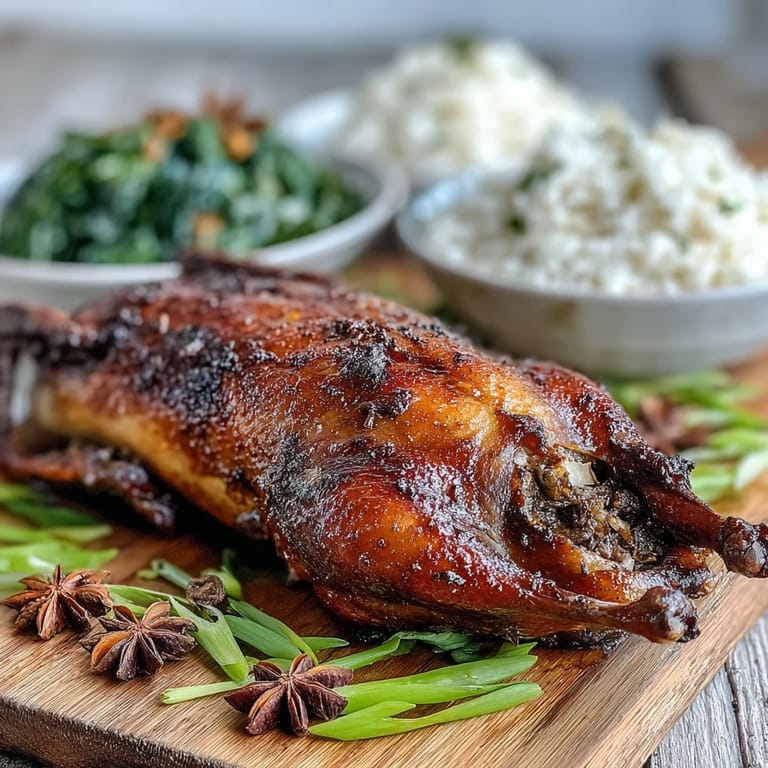
- Crank the heat up to 220°C (425°F) and roast for another 20 to 30 minutes, watching closely as the skin turns deep mahogany and crackles like autumn leaves. The smell at this stage is intoxicating, so resist opening the oven door too often.
- Rest and Carve:
- Remove the duck from the oven and let it rest for 10 minutes before carving. This lets the juices settle back into the meat, keeping every slice moist and tender.
 Save to Pinterest
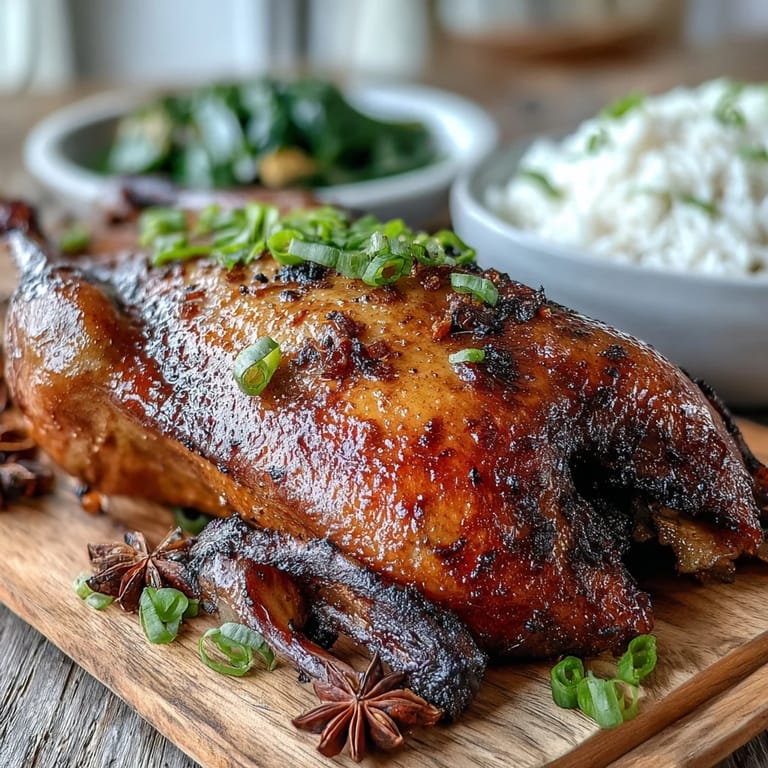
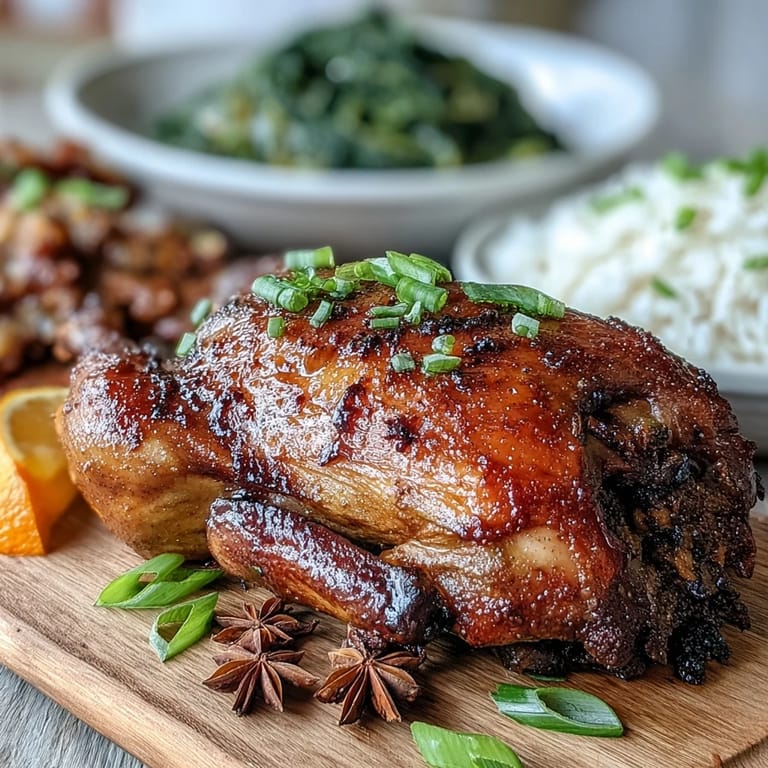
 The first time I pulled this duck out of the oven, golden and glistening, I just stood there for a moment. It smelled like every good memory I had of street food and family dinners, all at once. My partner walked in, saw it, and said nothing, just smiled. We didn't need words for what that duck represented: effort, care, and the kind of meal you remember long after the plates are cleared. It wasn't just dinner anymore; it was proof that you could make something extraordinary with your own hands.
Getting the Crispiest Skin
The secret to crackling skin is moisture control and high heat at the right time. After marinating, leave the duck uncovered in the fridge so the skin dries out completely; this is the single best trick I've learned. During the slow roast, the fat renders and bastes the meat naturally, but it's that final blast at 220°C that transforms the skin into something shatteringly crisp. Don't rush it, and don't skip the pricking step, or you'll end up with pockets of fat that never escape. When you tap the skin with a spoon and it sounds hollow, you've nailed it.
Pairing and Serving Suggestions
This duck is rich and aromatic, so it pairs beautifully with light, fresh sides that won't compete. Steamed jasmine rice soaks up the pan juices like a dream, and stir-fried greens with garlic add a crisp, bitter contrast to the sweet, spiced meat. I've served it with pickled vegetables, which cut through the fat perfectly, and once with a simple cucumber salad dressed in rice vinegar and sesame oil. For drinks, a light Pinot Noir works wonders, but honestly, chilled jasmine tea is my favorite; it cleanses the palate and feels right with the Chinese flavors.
Storage and Leftovers
Leftover duck is a rare gift, and you should treat it like one. Store it in an airtight container in the fridge for up to three days, and resist the urge to reheat it in the microwave, which will ruin the skin. Instead, warm slices gently in a hot oven or skillet to bring back some of that crispness. The best use for leftovers, though, is cold: shred the meat and toss it into a wrap with hoisin sauce, cucumber, and spring onions for a lunch that beats anything you'd buy.
- Let the duck rest fully before carving to keep the juices inside the meat where they belong.
- Save the rendered duck fat in the pan; it's liquid gold for roasting potatoes or frying eggs.
- If you're nervous about carving, use sharp kitchen shears to cut along the backbone and through the joints instead of a knife.
 Save to Pinterest
 Every time I make this duck, I'm reminded that cooking isn't just about feeding people, it's about creating moments worth keeping. This dish has become my go-to for nights when I want to slow down, fill the house with warmth, and share something truly special with the people I love.
Recipe Questions & Answers
- → How do I get the duck skin extra crispy?
Leave the marinated duck uncovered in the refrigerator overnight before roasting. This dries out the skin, promoting maximum crispiness. Also, pricking the skin with a fork helps render the fat during cooking.
- → Can I substitute the Shaoxing wine?
Yes, dry sherry works as an excellent substitute for Shaoxing wine. You can also use a dry white wine or rice wine vinegar diluted with a bit of water if needed.
- → What should I serve with this duck?
Steamed jasmine rice and stir-fried greens complement the rich, aromatic duck perfectly. You can also serve it with roasted vegetables, Asian-style noodles, or steamed buns.
- → How long can I marinate the duck?
Marinate for at least 1 hour, but overnight marination delivers deeper, more complex flavors. The longer marination time allows the five-spice and aromatics to penetrate the meat thoroughly.
- → Is this suitable for gluten-free diets?
Yes, when you use gluten-free soy sauce instead of regular soy sauce. Always check all ingredient labels to ensure they meet gluten-free requirements.
- → What wine pairs well with this duck?
A light Pinot Noir complements the rich, aromatic flavors beautifully. Alternatively, serve with chilled jasmine tea for an authentic Chinese pairing.