 Save to Pinterest
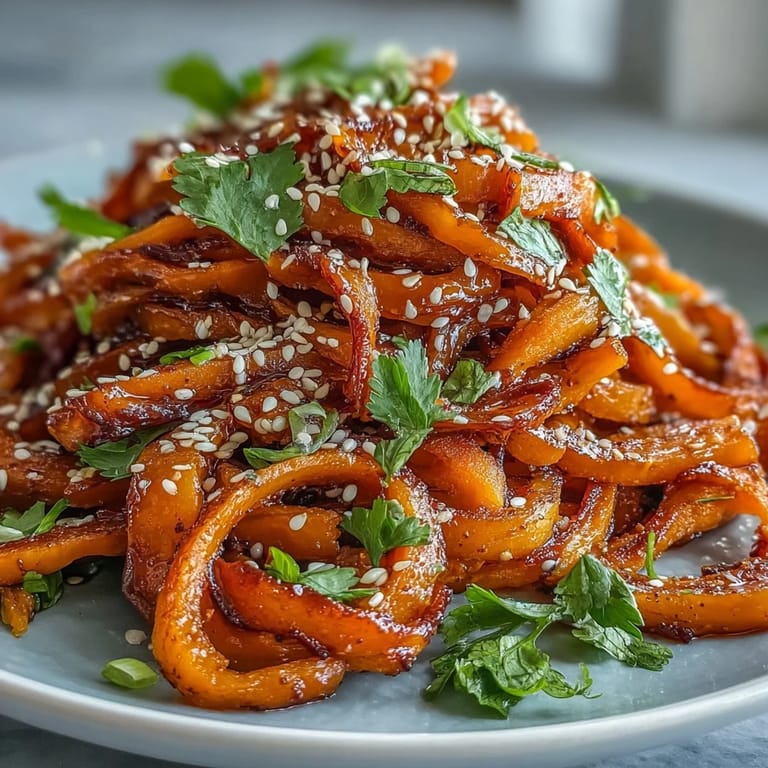
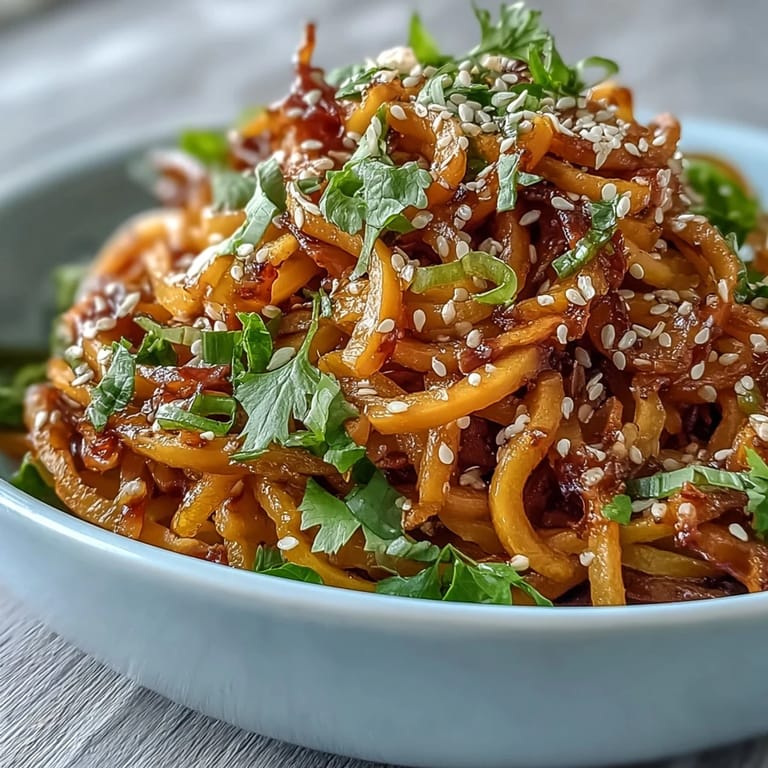
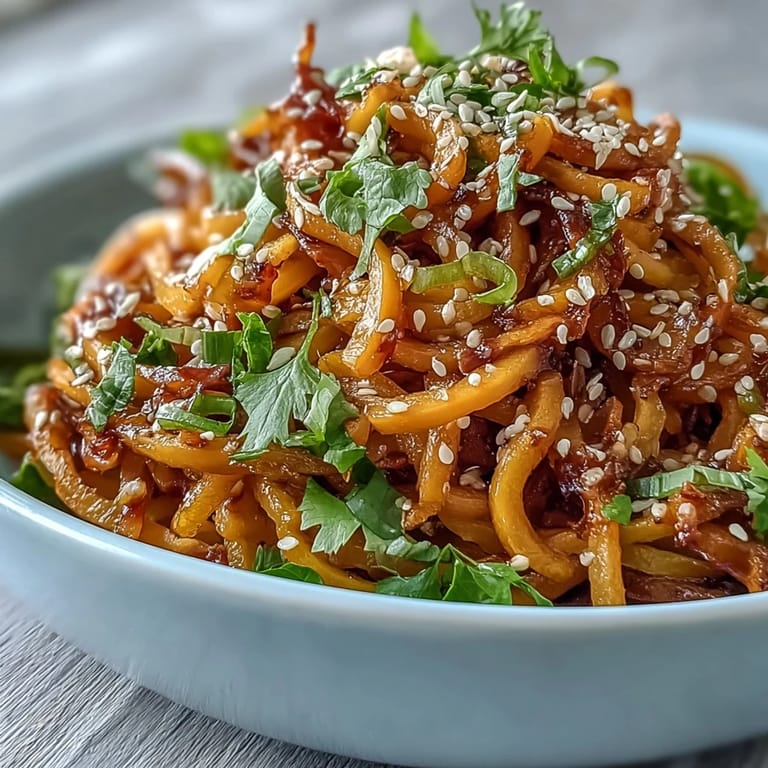
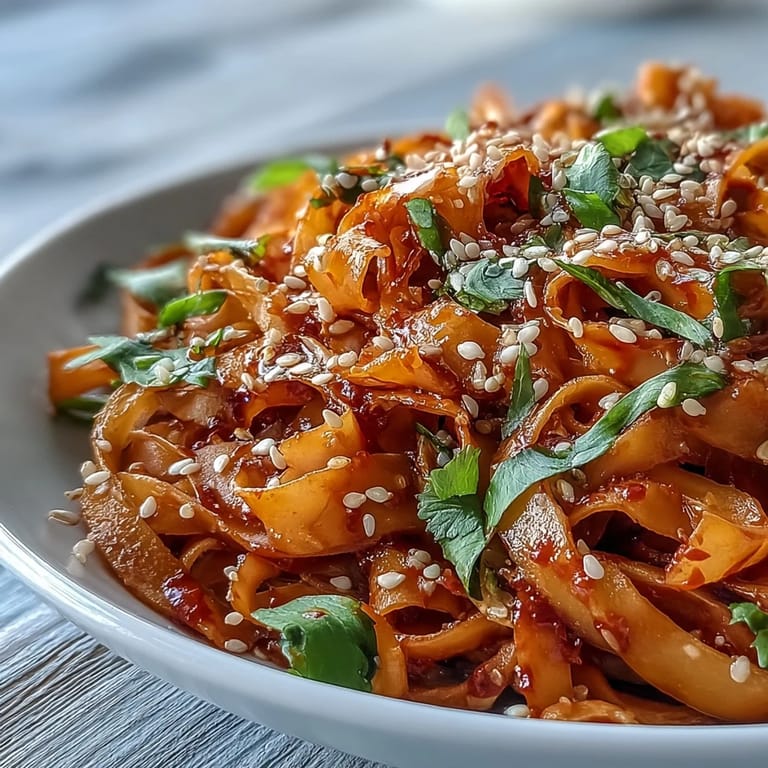
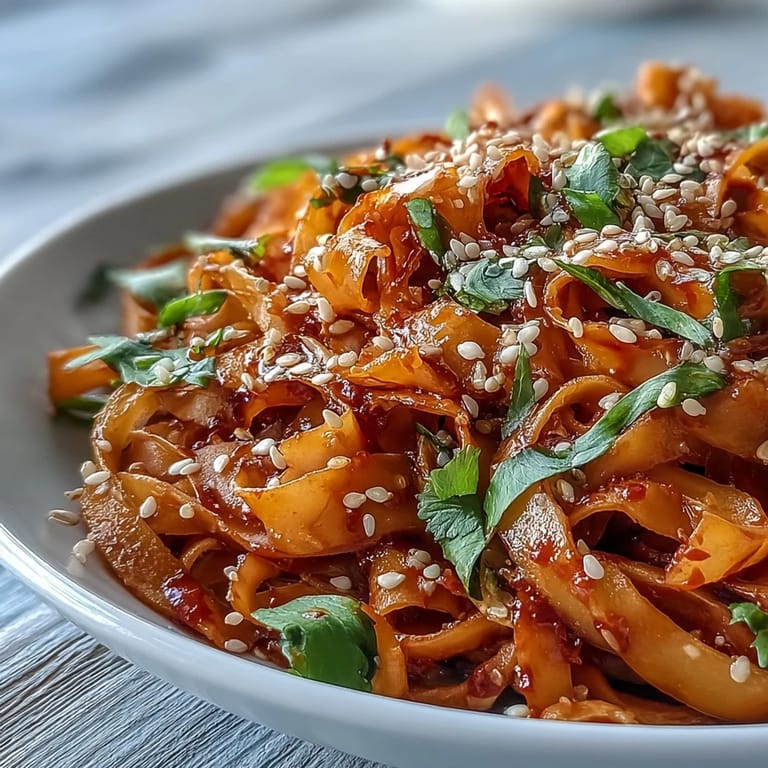
 My neighbor brought over a swede from her garden last autumn, and I had no idea what to do with it. I'd always thought of swede as something you mash or boil into oblivion, but then I remembered seeing ribbons of vegetables tossed with spicy sauces at a Korean fusion spot downtown. I peeled it into long, wide strips with my vegetable peeler, roasted them until they caramelized at the edges, and tossed everything with gochujang dressing left over from another experiment. The sweetness of the roasted swede against that fiery, sticky sauce was a revelation.
I made this for a small dinner party where half the guests were vegan and the other half were skeptical about anything involving swede. By the end of the night, the bowl was scraped clean and two people asked for the recipe. One friend admitted she'd never seen swede look so appealing, and another went home with a jar of gochujang I'd tucked into her bag. It became my go-to when I want to surprise people with something vibrant and a little unexpected.
Ingredients
- Swede (rutabaga): Roasting transforms its earthy sweetness into something caramelized and tender, use a peeler or mandoline to get thin, even ribbons that cook quickly.
- Rice noodles: They soak up the dressing beautifully and keep the dish light, just rinse them well after cooking so they don't clump.
- Gochujang: This Korean chili paste is the heart of the dish, bringing deep umami, sweetness, and heat all at once.
- Soy sauce: Adds the salty backbone that balances the maple syrup and gochujang, use tamari if you need it gluten-free.
- Maple syrup: Its mellow sweetness rounds out the heat without tasting cloying, honey works too if that's what you have.
- Toasted sesame oil: A little goes a long way, it adds a nutty richness that makes everything taste more complete.
- Garlic and ginger: Freshly grated, they bring sharpness and warmth that wake up the whole dressing.
- Spring onions: Thinly sliced, they add a mild bite and a pop of green that brightens each forkful.
- Sesame seeds: Toasted ones add a gentle crunch and a hint of nuttiness, don't skip them.
- Fresh cilantro: A handful at the end makes the dish feel fresher and more vibrant, but you can use parsley if cilantro isn't your thing.
Tired of Takeout? 🥡
Get 10 meals you can make faster than delivery arrives. Seriously.
One email. No spam. Unsubscribe anytime.
Instructions
- Roast the swede ribbons:
- Preheat your oven to 220°C (425°F) and toss the swede ribbons with vegetable oil, salt, and pepper. Spread them out on a baking sheet in a single layer and roast for 25 to 30 minutes, turning them halfway through so they brown evenly and develop crispy, caramelized edges.
- Cook the noodles:
- While the swede roasts, cook the rice noodles according to the package directions, then drain and rinse them under cold water to stop the cooking. Set them aside so they're ready to toss.
- Make the gochujang dressing:
- In a bowl, whisk together the gochujang, soy sauce, maple syrup, rice vinegar, sesame oil, grated garlic, grated ginger, and chili flakes if you're using them. Add water a tablespoon at a time until the dressing is smooth and pourable but still clings to a spoon.
- Toss everything together:
- In a large mixing bowl, combine the roasted swede, cooked noodles, spring onions, carrot, and bean sprouts if you're adding them. Pour the gochujang dressing over everything and toss gently but thoroughly until every ribbon and noodle is coated.
- Garnish and serve:
- Transfer to serving bowls and top with toasted sesame seeds and a generous handful of fresh cilantro. Serve immediately while the swede is still warm and the flavors are bright.
 Save to Pinterest
  Save to Pinterest
 The first time I served this, my partner came into the kitchen while I was tossing everything together and said it smelled like the kind of place you'd wait in line for. That's when I knew it was a keeper. It's become one of those dishes I make when I want something comforting but exciting, something that feels special without demanding too much from me. Every time I pull it together, I'm reminded that the simplest ingredients can surprise you if you treat them right.
Making It Your Own
This recipe is forgiving and loves improvisation. I've added pan-fried tofu for extra protein, tossed in edamame straight from the freezer, and even stirred through leftover roasted broccoli. If you can't find swede, try using parsnips or even butternut squash cut into ribbons, they roast beautifully and soak up the dressing just as well. You can also dial the heat up or down by adjusting the chili flakes or choosing a milder gochujang, and if you prefer a tangier dressing, add an extra splash of rice vinegar.
Storing and Reheating
Leftovers keep well in an airtight container in the fridge for up to three days, though the noodles will absorb more dressing as they sit. I actually like it cold the next day, eaten straight from the container with chopsticks, but you can also reheat it gently in a pan with a splash of water to loosen everything up. If you're meal prepping, store the dressing separately and toss it with the noodles and vegetables just before serving so everything stays fresh and vibrant.
Serving Suggestions
This dish works beautifully on its own, but it's even better with a few thoughtful additions. I like to serve it with a side of quick-pickled radishes or cucumber for a cool, crunchy contrast, and a cold glass of Riesling or a light lager cuts through the richness of the sesame oil and balances the heat. If you want to make it more substantial, add a fried egg on top or serve it alongside steamed bok choy.
- Top with crushed peanuts or cashews for extra crunch and richness.
- Add a squeeze of lime juice just before serving to brighten the flavors even more.
- Double the dressing recipe and keep extra in the fridge, it's perfect drizzled over roasted vegetables or grain bowls throughout the week.
 Save to Pinterest
  Save to Pinterest
 This dish taught me that vegetables I used to overlook can become something I look forward to. I hope it does the same for you.
Recipe Questions & Answers
- → Can I substitute swede with another vegetable?
Yes, you can use sweet potato, butternut squash, or even zucchini ribbons as alternatives. Adjust roasting time based on the vegetable's density.
- → How spicy is this dish?
The heat level is moderate, coming primarily from the gochujang. You can reduce the amount of gochujang or omit the chili flakes for a milder version, or add more for extra kick.
- → What can I use instead of rice noodles?
Soba noodles, udon, or even spiralized vegetables like zucchini noodles work well. Just adjust cooking times accordingly.
- → Can I make the dressing ahead of time?
Absolutely. The gochujang dressing can be prepared up to 3 days in advance and stored in an airtight container in the refrigerator. Whisk before using.
- → How do I store leftovers?
Store in an airtight container in the refrigerator for up to 3 days. The noodles may absorb some dressing, so you might want to add a splash of water or extra dressing when reheating.
- → Is this dish gluten-free?
It can be made gluten-free by using tamari instead of soy sauce and ensuring your gochujang is certified gluten-free. Always check product labels.