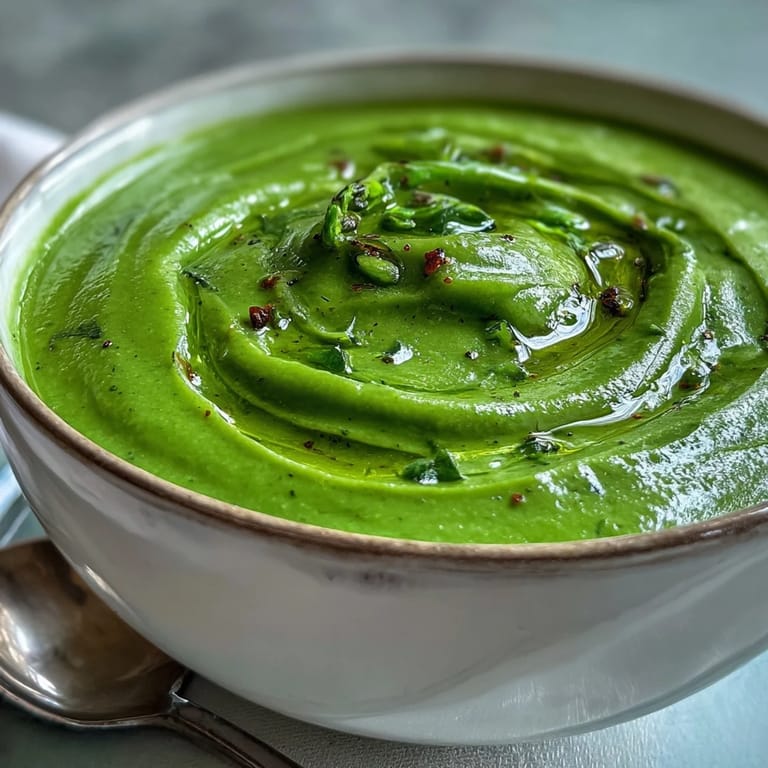
 Save to Pinterest
 There was a winter morning when my sister called me sniffling, and I found myself opening my fridge to whatever green vegetables I could grab. No recipe, just instinct and the vague memory of my grandmother saying broccoli was medicine. What emerged from that pot was so vibrant, so silky, that I realized creamy soup didn't need cream at all—just cashews, heat, and a little patience. Now this soup is what I make when someone needs tending to, and it never fails to deliver both comfort and actual nourishment.
I made this for my neighbor last spring when she was recovering from a cold, and watching her eyes light up when she tasted it reminded me that food is honestly just concentrated care in a bowl. She asked for the recipe three times, and each time I told her the secret was the soaked cashews, because they really are where the magic lives. That moment shifted how I think about cooking—less about impressing, more about showing up.
Ingredients
- Olive oil: Just enough to wake up the aromatics without making the soup greasy—this is your foundation.
- Onion, garlic, and leek: These three build the flavor base that makes people taste only the vegetables, not the absence of stock cubes and shortcuts.
- Broccoli and asparagus: Cut them into pieces that cook evenly so nothing gets mushy while you're waiting for something else to soften.
- Baby spinach: Add this at the very end so it wilts into the heat without turning gray and bitter.
- Raw cashews: Soak them hot for 15 minutes—this matters because the warmth breaks them down just enough to blend into silk without any grainy texture hiding in your soup.
- Vegetable broth and water: Low-sodium broth lets the vegetables sing instead of being drowned out by salt you'll have to correct later.
- Sea salt, black pepper, and nutmeg: The nutmeg is quiet and optional, but it adds a whisper of warmth that makes people feel like they're tasting something sophisticated without knowing why.
- Lemon juice: This brightens everything at the end and stops the soup from tasting flat or one-dimensional.
Tired of Takeout? 🥡
Get 10 meals you can make faster than delivery arrives. Seriously.
One email. No spam. Unsubscribe anytime.
Instructions
- Sauté your aromatics until the kitchen smells like dinner:
- Heat olive oil in a large pot over medium heat and add your chopped onion, minced garlic, and sliced leek. Let them go for 4 to 5 minutes until they soften and start releasing their fragrance into the air. You'll know it's right when you take a breath and the smell makes you hungry.
- Bring in the sturdy vegetables:
- Add your broccoli florets and asparagus pieces, stirring them into the warm oil and aromatics. Let them cook for about 3 minutes, turning them occasionally so they get a tiny bit of color and start to release their own flavor into the pot.
- Build the liquid foundation:
- Pour in your vegetable broth and water, then bring everything to a boil. Once it's bubbling, lower the heat and let it simmer gently for 10 minutes until the broccoli and asparagus are just tender enough to break with a spoon but still bright green.
- Wilt the spinach into softness:
- Add your soaked cashews:
- Stir in your drained cashews and all that baby spinach at once. The heat will wilt the spinach in 2 to 3 minutes while the cashews start to break down and soften everything around them.
- Blend until absolutely smooth:
- Remove the pot from heat and use an immersion blender to puree everything until the soup is completely creamy and no vegetable pieces are visible. If you're using a countertop blender, work in batches and always leave the lid slightly ajar to let steam escape so it doesn't explode.
- Season with intention:
- Stir in your sea salt, black pepper, the optional nutmeg, and squeeze of lemon juice. Taste it and adjust everything until it tastes balanced and alive, not flat.
- Adjust consistency and serve:
- If the soup feels too thick, add a bit more water or broth until it reaches the consistency you want. Ladle it into bowls and finish with a drizzle of olive oil or extra lemon if you're in the mood for richness and brightness.
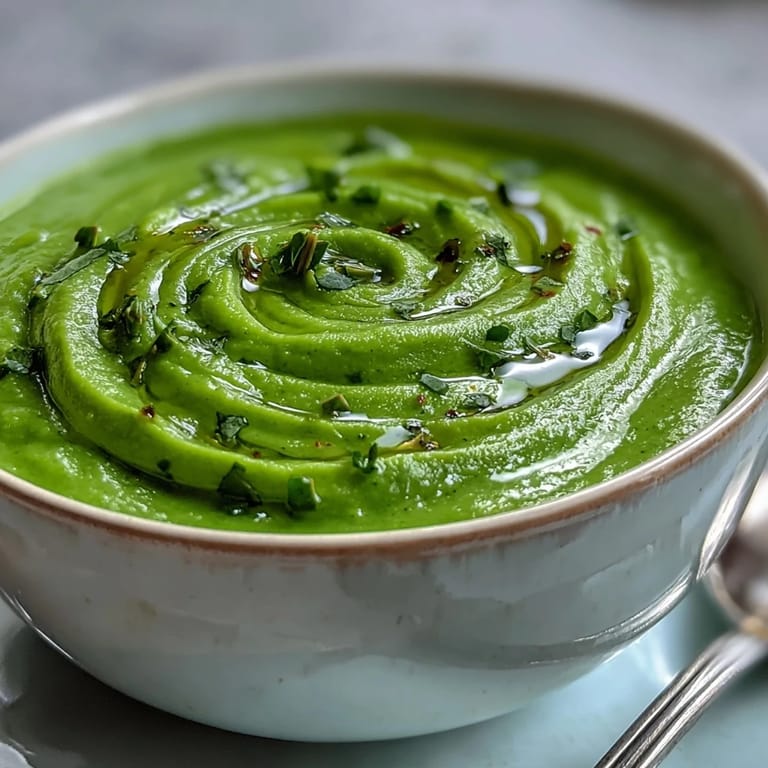 Save to Pinterest
 There's something quietly powerful about ladling a bowl of soup that's this green and this good for you, knowing that every spoonful is actually feeding your immune system instead of just filling your stomach. It's the kind of soup that makes you feel like you're doing something right for yourself and anyone you share it with.
Why This Soup Works Better Than You'd Expect
Most people think creamy soup requires heavy cream or coconut milk, but cashews create something even silkier because they blend into the vegetables themselves rather than floating as a separate richness. The vegetables you choose matter too—broccoli gives you fiber and flavor, asparagus adds subtle sweetness, and spinach brings iron and a color that actually pops when it's blended right. The result is a soup that tastes indulgent but has no guilt attached, which is honestly what makes people keep coming back for seconds.
Flexibility and Substitutions
If cashews aren't available or you have an allergy, unsweetened coconut milk works beautifully and brings its own subtle sweetness to balance the bitterness of the greens. Tofu blended into the broth works too if you want even more protein, though it won't give you quite the same silky mouthfeel. You can swap any of the vegetables—zucchini, celery, peas, green beans—as long as you keep the ratio roughly balanced and don't get attached to the exact ingredients.
Serving and Storing Your Soup
This soup tastes best served hot, but it's also excellent chilled on a warm day if you want to change things up. It stores beautifully in the fridge for up to 4 days, and it freezes well for up to 3 months if you store it in portions and remember to leave a little room at the top of each container since it will expand. The real trick to reheating is going low and slow so the blended texture stays creamy instead of separating or becoming grainy.
- Pair it with crusty bread or toasted grain toast for texture contrast.
- Finish each bowl with a crack of fresh pepper or a scatter of toasted seeds if you want something extra.
- Make it your own by stirring in fresh herbs like basil or parsley right at the end for brightness you can actually taste.
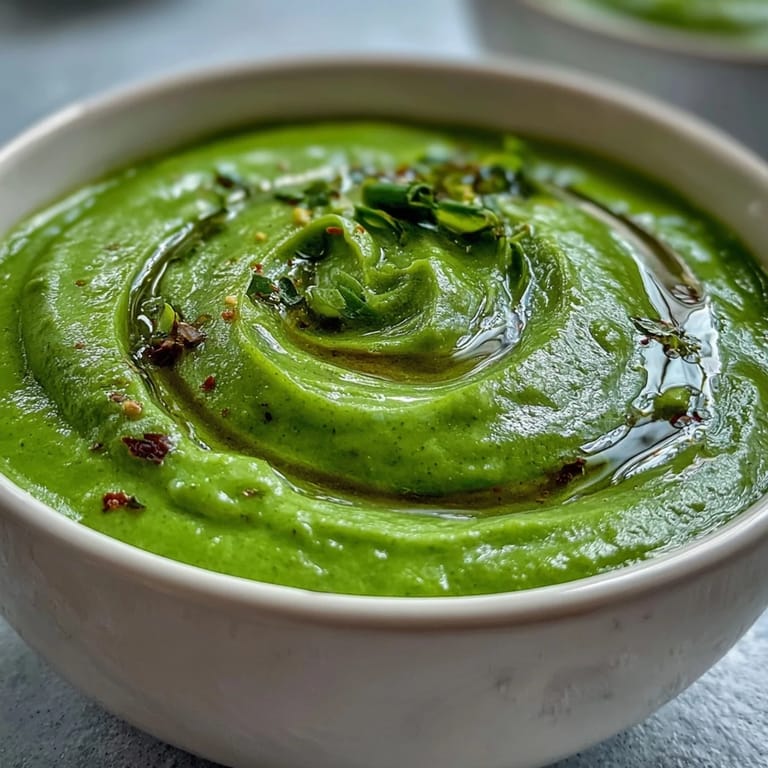 Save to Pinterest
 This soup is proof that good nutrition doesn't need to taste boring or feel like punishment—it just needs intention and a few ingredients that actually know how to work together. Make it when you need to feel cared for, or make it for someone else when they do.
Recipe Questions & Answers
- → Can I make this soup nut-free?
Absolutely. Replace the soaked cashews with unsweetened coconut milk or silken tofu. Both alternatives create a creamy texture without nuts. Coconut milk adds subtle sweetness, while tofu keeps the flavor more neutral.
- → How long does this soup keep in the refrigerator?
The soup stores well for up to 4 days in an airtight container. The cashew base helps maintain a smooth texture. Reheat gently over medium-low heat, adding a splash of water or broth if it thickens upon standing.
- → Can I freeze this green soup?
Yes, freeze for up to 3 months in freezer-safe containers. Thaw overnight in the refrigerator before reheating. The texture remains remarkably smooth due to the cashew base, though you may need to whisk in extra liquid when reheating.
- → What vegetables can I substitute?
Swap asparagus for green beans or zucchini. Broccoli can be replaced with cauliflower for a milder flavor. Kale or chard work instead of spinach, though they may require slightly longer cooking time to become tender.
- → Do I really need to soak the cashews?
Soaking for 15 minutes in hot water softens the cashews significantly, ensuring they blend completely smooth. If you have a high-powered blender, you can skip soaking, but the texture may be slightly grainy.
- → Can I use regular broth instead of low-sodium?
You can, but reduce the added salt accordingly. Regular broth contains significantly more sodium, which can overpower the delicate vegetable flavors. Start with half the salt and adjust to taste.