 Save to Pinterest
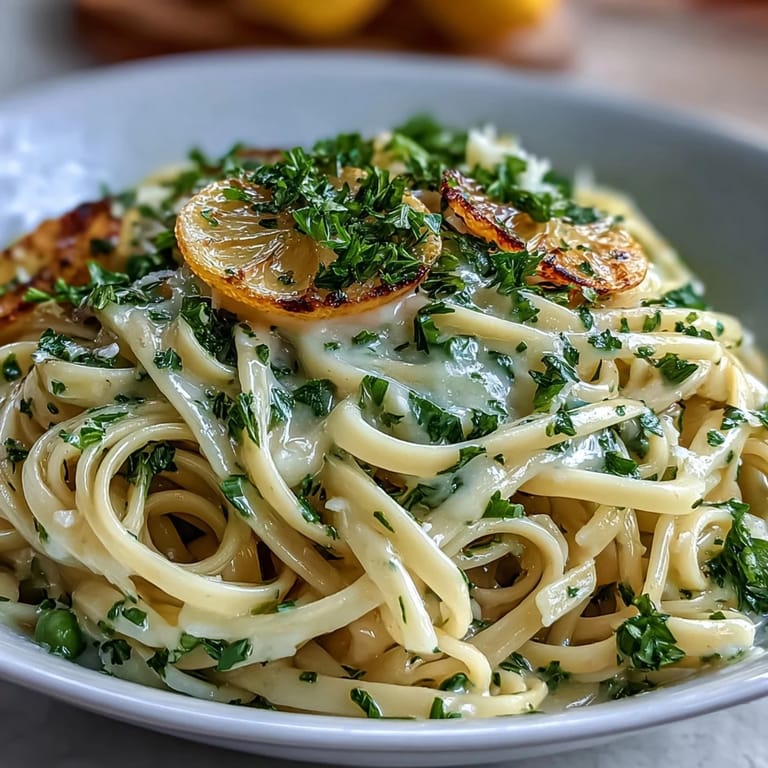
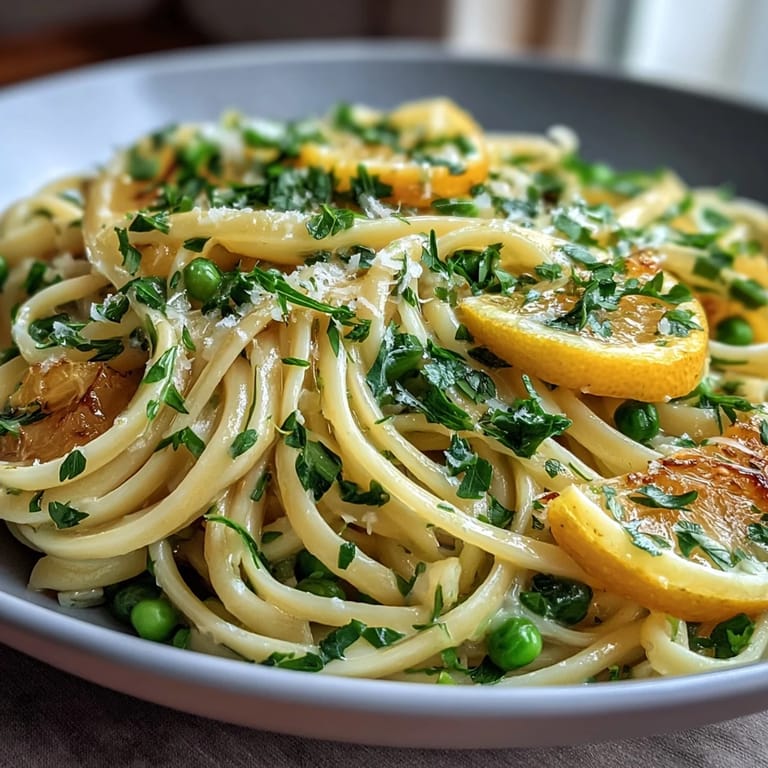
 My neighbor stopped by one April evening with a bag of fresh peas from her garden, and I found myself standing in my kitchen with no real plan beyond boiling water. Something about the brightness of those peas and a lemon sitting on the counter sparked an idea, and within twenty minutes I'd created something that tasted like spring itself. That dish became the reason she started leaving vegetables on my porch all season long.
I made this for my sister when she was going through a rough patch, and watching her face light up at the first bite reminded me that sometimes the simplest food carries the most weight. She asked for the recipe that night, and now it's her go-to dish when she wants to feel grounded and calm.
Ingredients
- Linguine or spaghetti (12 oz): The thinner the pasta, the better it clings to this delicate sauce—thick noodles will drown out all that brightness you're working toward.
- Fresh or frozen green peas (1 cup): Frozen peas are honestly just as good as fresh here, and they actually hold their texture better since they're already blanched.
- Garlic (2 cloves, minced): Keep the heat moderate so it turns fragrant and sweet, not bitter and harsh—this is where patience actually matters.
- Lemon zest and juice (1 whole lemon): The zest carries the real lemon flavor, so don't skip it; the juice brings brightness, but they need each other to sing properly.
- Fresh parsley (2 tbsp chopped): This isn't decoration—it adds a peppery note that makes the whole dish taste fresher and more alive.
- Unsalted butter (4 tbsp): Unsalted lets you control the salt yourself, and it melts into a sauce rather than sitting on top of the pasta like a film.
- Grated Parmesan cheese (1/2 cup plus more for serving): Freshly grated makes a difference here because it melts smoothly; pre-shredded versions sometimes separate and get grainy.
- Salt and black pepper: Save some of that starchy pasta water—it's your secret weapon for getting the sauce to coat everything evenly.
Tired of Takeout? 🥡
Get 10 meals you can make faster than delivery arrives. Seriously.
One email. No spam. Unsubscribe anytime.
Instructions
- Get the water going:
- Fill your pot generously and salt it until it tastes like the sea—you want the pasta itself to carry flavor. Once it's boiling hard, add the pasta and stir it every minute or so for the first few minutes to keep pieces from sticking together.
- Start the sauce:
- While pasta bubbles away, warm the butter gently over medium heat and listen for that subtle sizzle. When the garlic goes in, you'll smell it immediately—that's your cue to keep the heat steady and not wander away.
- Cook the peas:
- Whether frozen or fresh, these only need a few minutes to warm through and soften slightly. They should still have a little bite to them, not turn to mush.
- Brighten everything with lemon:
- Pour in the zest and juice and let it sizzle for just a moment, which opens up the flavors even more. This is when your kitchen will smell absolutely incredible.
- Bring it all together:
- Drain the pasta but keep that water nearby—you'll need it to create the silky sauce that ties everything together. Toss the hot pasta directly into the skillet with about half a cup of that starchy water.
- Build the sauce:
- Sprinkle the Parmesan over the pasta and toss constantly, watching as the cheese melts and the water transforms into something creamy and luxurious. If it looks too thick, add a splash more pasta water; if it's too loose, let it cook for another minute or two.
- Finish with freshness:
- Pull it off the heat and stir in the parsley right at the end so it stays bright green. Taste as you go—season more boldly than you think you need to.
- Serve right now:
- This dish waits for no one, so have your bowls ready and top each serving with extra Parmesan and a crack of black pepper while everything's still steaming.
 Save to Pinterest
 One spring morning I made this dish purely because I had nothing else planned, and my kid actually asked for seconds at lunch, which honestly felt like winning the lottery. It's become our quiet signal for 'things are good today and we should celebrate with something delicious.'
Why This Works as Spring Cooking
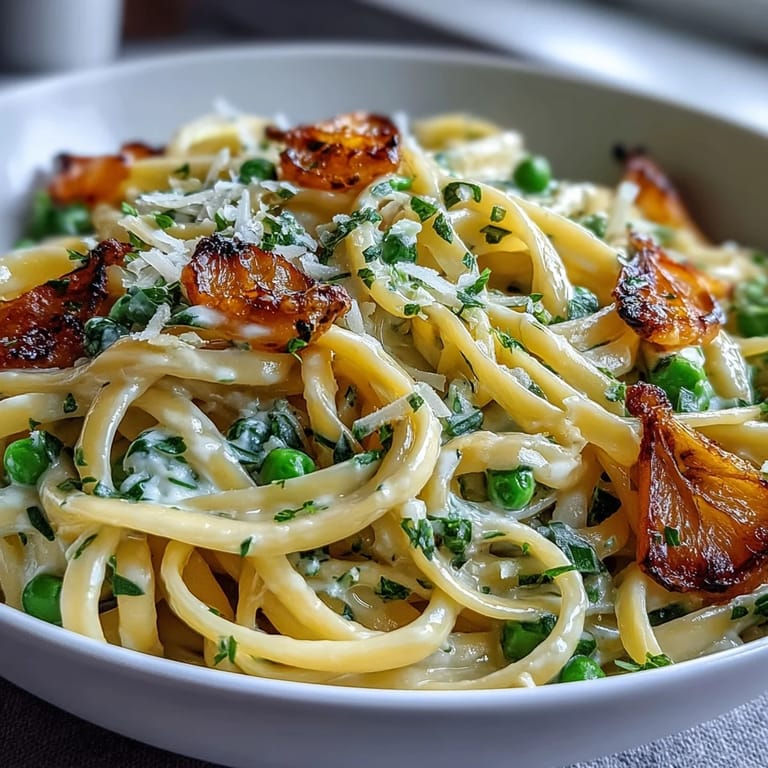
There's something about the combination of peas and lemon that just feels right when the weather starts turning warm and green again. The brightness cuts through the richness of butter without replacing it, and the whole dish feels light enough for warm afternoons but satisfying enough that you're not hungry an hour later. It's the kind of meal that makes you feel like you're eating something seasonal and intentional without requiring hours in the kitchen.
The Magic of Pasta Water
That cloudy, starchy water draining off your pasta isn't waste—it's actually the reason this sauce becomes silky instead of separated and greasy. When you toss hot pasta with butter and cheese, the starch helps everything emulsify together, creating a coating that feels luxurious and complete. It's one of those kitchen tricks that feels like magic the first time you notice it working, and once you understand it, you'll see it everywhere.
Making It Your Own
This recipe is honestly just a framework, and the best versions I've made have always been the ones where I changed something based on what looked good that day. Sometimes I add a handful of spinach or arugula with the peas, sometimes I throw in white wine or a pinch of red pepper flakes for warmth, and once I added crispy breadcrumbs on top for texture. The core idea—bright lemon, sweet butter, tender peas—stays solid, but everything else is up to you.
- If you have shrimp or grilled chicken on hand, those are instant protein additions that don't require any other changes to the recipe.
- A splash of white wine added after the garlic cooks adds complexity without overwhelming the delicate lemon flavor.
- Fresh mint or basil can swap in for parsley if that's what's living in your garden or crisper drawer.
 Save to Pinterest
 This dish became my answer to the question 'what do I cook when I want something beautiful but don't have much time,' and I hope it becomes that for you too. Make it once and trust it, then make it again and make it yours.
Recipe Questions & Answers
- → Can I use fresh or frozen peas?
Both fresh and frozen peas work well. Fresh peas offer a slightly sweeter bite, while frozen peas are convenient and still flavorful. Cook them until just tender for best texture.
- → How do I achieve a creamy sauce without cream?
The reserved pasta water contains starch that helps emulsify the butter and cheese, creating a silky, creamy sauce without the need for cream.
- → What’s the best pasta type for this dish?
Long pasta like linguine or spaghetti allows the sauce to coat each strand evenly, balancing flavors and textures in each bite.
- → Can I add protein to this dish?
Yes, sautéed shrimp or grilled chicken complement the flavors nicely and add extra protein for a more substantial meal.
- → What herbs can I use besides parsley?
Fresh basil or chives can be great alternatives, adding different aromatic notes without overpowering the lemon and butter.
- → How to adjust seasoning for best flavor?
Always taste before serving and adjust salt, pepper, or lemon juice to balance brightness and richness to your liking.