 Save to Pinterest
 I still remember the first time I assembled a wine-stained cheese board at a dinner party—it was supposed to be simple, but when I placed that empty wine bottle at the center surrounded by jewel-toned cheeses and wine-soaked fruits, my guests gasped. The deep crimsons and burgundies created this almost magical tableau that made everyone feel like they were at a wine bar in Tuscany, not my kitchen. That moment taught me that the most memorable appetizers aren't always complicated; they're the ones that tell a story through color and flavor.
Last summer, I made this for a small gathering of wine enthusiasts, and watching them circle the board, discovering new flavor combinations—the way the wine jelly played against the sharp goat cheese, how the poached grapes burst with subtle wine notes—I realized I'd created something that sparked real conversation. That's when a cheese board stopped being just appetizers and became an experience.
Ingredients
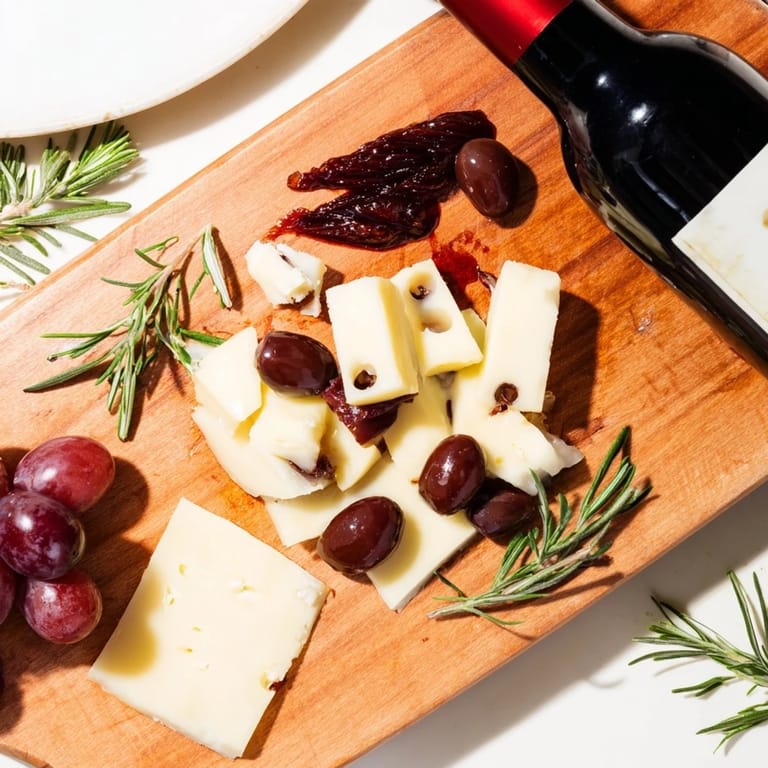
- Drunken goat cheese, sliced (200 g): This creamy, tangy cheese takes on the depth of red wine beautifully—its soft texture contrasts perfectly with firmer cheeses. Buy it already wine-soaked if you can; it saves time and the flavor is already perfectly developed.
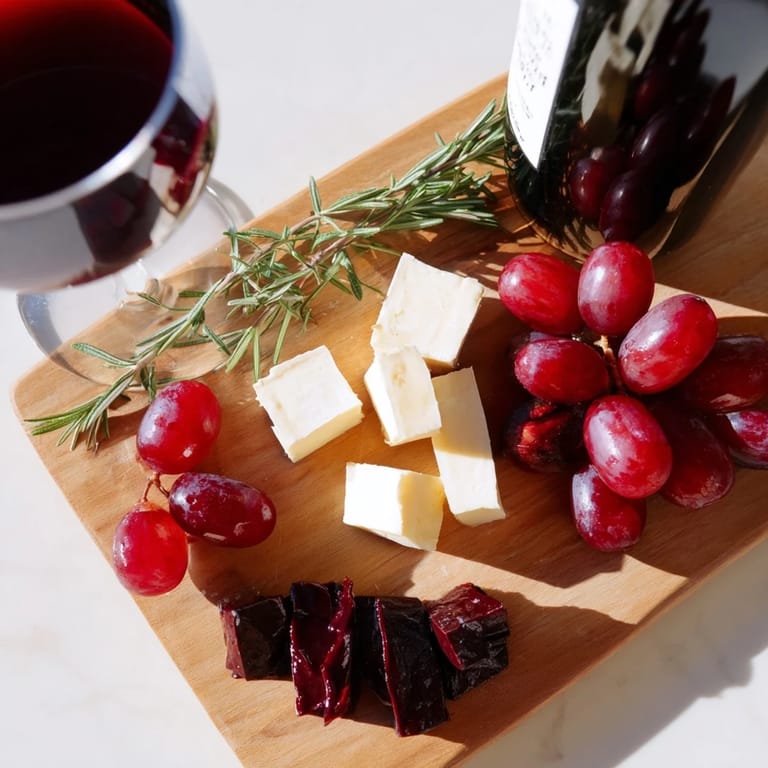
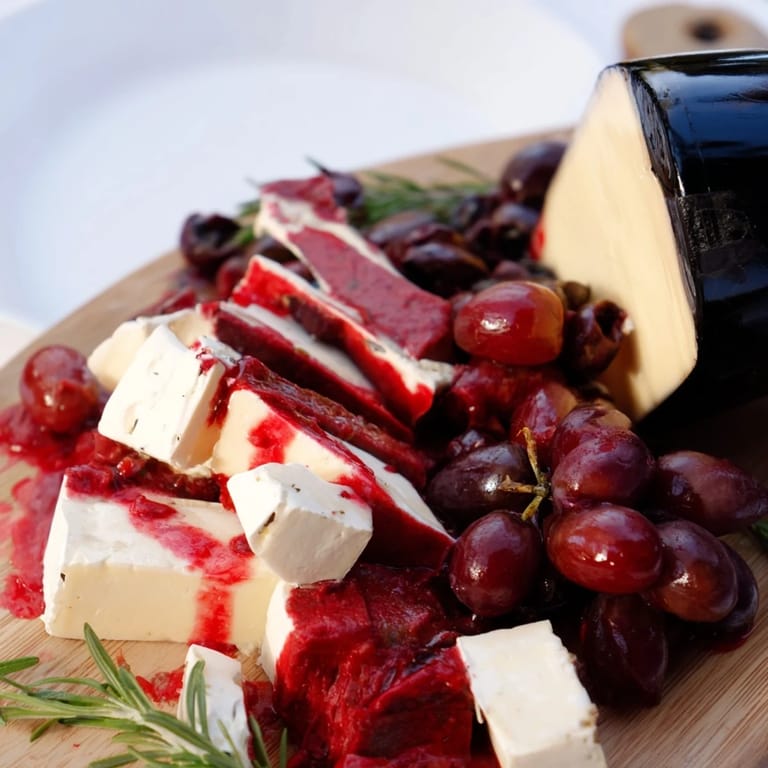
- Red Wine BellaVitano or similar hard cheese, cubed (150 g): This is your showstopper—the wine infusion gives it an almost mysterious depth. Cube it rather than slice it so it catches the light and looks like little edible jewels on your board.
- Red wine-cured salami, thinly sliced (100 g): Look for salami specifically cured with wine; it's become easier to find and adds this sophisticated undertone that regular salami can't match. The thin slices mean they drape beautifully.
- Prosciutto, torn into ribbons (80 g): Tear it by hand rather than cutting—it creates a more organic, luxurious look that elevates the whole presentation. Omit this if serving vegetarians; no one will miss it with all the other richness on the board.
- Red wine jelly (1/2 cup): This is your secret weapon—it bridges all the flavors together. If you can't find it pre-made, simmer red wine with gelatin and sugar for five minutes, chill until set, then scoop it into a small bowl nestled among the cheeses.
- Red wine-poached grapes (1/2 cup): These take 15 minutes to make and taste like sophisticated candy. The wine reduces their tartness and gives them this glossy, jewel-like appearance that photographs beautifully.
- Red wine-infused dried cherries (1/4 cup): They're chewy, tart, and add texture variation that keeps people coming back. Some recipes call for soaking them in wine overnight, but 30 minutes does the trick.
- Red wine-marinated olives (1/3 cup): Whether you choose kalamata or green, the wine marinade adds complexity to their natural brine. These are the salty anchor that makes everything else taste more vivid.
- Baguette, sliced (1 small): Slice it thin enough to pick up easily but thick enough to hold toppings without breaking. A good bakery baguette is worth the slight extra cost here.
- Red wine and rosemary crackers (1 cup): These are increasingly available, but if you can't find them, regular whole grain crackers work—just garnish with fresh rosemary to tie the theme together.
- Fresh rosemary sprigs: Don't just sprinkle these randomly—place them strategically so guests can pick them up and use them as edible garnish or for aroma. They're as much about the sensory experience as they are about taste.
- Edible flowers, optional: A few pansies or violets add that final touch of elegance that makes people pause and appreciate the care you took. They're completely optional but worthwhile if you have access to them.
Tired of Takeout? 🥡
Get 10 meals you can make faster than delivery arrives. Seriously.
One email. No spam. Unsubscribe anytime.
Instructions
- Set the stage with your centerpiece:
- Take that empty wine bottle—make sure the label is removed or it's a pretty one you don't mind showing—and place it dead center on your largest wooden board or platter. This is your anchor, the thing that makes people say 'oh' when they walk in. Leave a little breathing room around it; you're building outward, not crowding.
- Build the cheese foundation:
- Arrange your sliced drunken goat cheese and cubed red wine BellaVitano in an arc around the bottle's base. Let a few pieces lean against the bottle itself—this creates height and visual interest. Stand back and look at it; does it feel balanced, or is one side too heavy? Adjust as needed.
- Add the meats with intention:
- If you're using salami and prosciutto, create two or three small piles rather than spreading them thin. Fan the prosciutto ribbons so they catch light; pile the salami in loose, overlapping circles. This isn't random—you're creating visual rhythm.
- Nestle in the jelly:
- Spoon your red wine jelly into a small shallow bowl—ceramic looks better than glass for this, more tactile—and tuck it among the cheeses where it'll peek out like a ruby. It should be easy for guests to reach without disturbing everything else.
- Scatter the jewels:
- Now comes the fun part. Drop your poached grapes, wine-infused cherries, and marinated olives in small clusters—think of them as punctuation marks across your board. Don't spread them evenly; cluster them in groups of 5-7 so people find little flavor surprises as they explore.
- Create pathways with bread and crackers:
- Arrange your baguette slices and crackers in gentle arcs or lines, like paths leading through the board. This serves two purposes: it's practical for guests and it visually guides the eye across your creation.
- Crown it with garnish:
- Tuck fresh rosemary sprigs into gaps and add your edible flowers if using them. This is where the board goes from 'nice' to 'Instagram-worthy.' Step back and take a photo before anyone touches it; you've earned a moment of pride.
- Serve with intention:
- Present it to your guests and encourage them to mix flavors—the salty olive with the creamy cheese with the tart grape. Watch how they discover new combinations as they navigate the board. That's the whole magic right there.
 Save to Pinterest
 My favorite memory with this board happened when a friend who usually declined cheese plates came back for thirds, just quietly sampling different combinations. She later told me it was the first time she understood why people got excited about charcuterie. That's when I knew this board had transcended appetizer status—it had become a conversation starter, a moment where people slowed down and paid attention to what they were eating.
Why Wine Infusion Changes Everything
When every single element on your board speaks the same flavor language—wine—something magical happens. It's not about the alcohol content; it's about coherence. The wine tannins in the cheese complement the wine-soaked fruits, which harmonize with the wine-cured meats. Your palate doesn't have to jump between disparate flavors; instead, it travels deeper into one beautiful story. That's why this board feels so much more sophisticated than a standard cheese plate, even though the technique is exactly the same.
Building Your Own Wine Story
The beauty of this recipe is that it invites personalization within its theme. Maybe you find a wine-soaked cheese you've never encountered before—use it. Maybe your market has unusual wine-infused dried fruits—absolutely include them. The constraint isn't restriction; it's permission to be creative within a coherent framework. I've made variations with wine-soaked walnuts, wine-candied bacon, and even wine-poached pears, and every version has felt like its own complete expression.
Pairing and Presentation Tips
Serve this board with a fruity, medium-bodied red wine—Pinot Noir and Merlot are classics, but honestly, drink whatever red wine you love. The board was designed to be versatile because real entertaining is about joy, not rules. The same board can follow a cocktail hour or anchor a casual dinner. It can be your entire appetizer or sit alongside other dishes. It's forgiving, scalable, and endlessly appealing.
- Make the poached grapes and infused cherries up to two days ahead; they actually taste better as the wine flavor deepens
- If your wooden board is new or pale, the wine stains will add character—don't treat them as accidents, they're evidence of meals that mattered
- Keep the board at room temperature for at least 20 minutes before serving so every element is at peak flavor and texture
 Save to Pinterest
 This board isn't just about feeding people; it's about creating a moment where food becomes memory. Every time someone tastes one of these wine-infused elements, they're tasting care and intention.
Recipe Questions & Answers
- → How do I make red wine-poached grapes?
Simmer seedless red grapes in dry red wine with sugar and a cinnamon stick for about 10 minutes, then cool before serving to infuse flavor.
- → Can I prepare the board ahead of time?
Yes, although arranging fresh garnishes and bread just before serving keeps the presentation crisp and vibrant.
- → What cheeses work well soaked in red wine?
Soft and hard cheeses like drunken goat cheese or BellaVitano absorb red wine flavors beautifully for this style of board.
- → Is it possible to make this board vegetarian?
Omit the meats and add extra cheeses or roasted nuts to maintain variety and appeal.
- → How should I pair drinks with this board?
Medium-bodied fruity red wines such as Pinot Noir or Merlot complement the rich, wine-infused flavors here.